Sacramento County's soil diversity is a direct product of its position at the confluence of the Sacramento and American Rivers, where thousands of years of alluvial deposition, valley-floor drainage patterns, and urban development have produced a wide range of soil types. Knowing your local soil series is the essential first step for anyone managing land in the Sacramento Valley — whether for row crops, backyard gardens, or urban greening projects.
Sacramento County contains diverse soil types shaped by the Sacramento and American Rivers, including fertile alluvial soils, water-retentive clay soils, well-balanced sandy loams, wind-deposited loess soils, saline-affected soils, volcanic soils, and urban-modified soils — each requiring tailored management for successful agriculture and gardening.
Sacramento County Soil Types: Complete Guide to Urban and Agricultural Soils
Sacramento, California's capital city, sits within a region shaped by river systems, geological history, and accelerating urban development. These forces have created a mosaic of soil conditions that directly influence crop production, urban gardening, stormwater management, and long-term environmental sustainability throughout the Sacramento Valley. Understanding the characteristics and limitations of local soils allows residents, farmers, and land managers to make informed decisions that protect both productivity and ecosystem health.
Foundation of Sacramento's Soil Diversity
Sacramento County's soils reflect centuries of interaction among geological processes, a Mediterranean climate, and human land use. The USDA Natural Resources Conservation Service Web Soil Survey documents hundreds of soil mapping units across the county, each with distinct characteristics that determine land-use capability ratings for agriculture, construction, and conservation.
The region's Mediterranean climate delivers the majority of its 17 to 20 inches of annual precipitation between November and March, creating pronounced wet-dry cycles that drive soil development, crack formation in clay soils, and the need for careful irrigation scheduling during the long dry summer. The Sacramento and American Rivers have deposited sediment across the valley floor over millennia, producing the deep, fertile alluvial soils at the heart of the region's agricultural economy.
According to UC Cooperative Extension, Sacramento County spans urban centers, prime farmland, wetlands, and natural open space — each zone presenting distinct soil management challenges and opportunities for sustainable stewardship.
Primary Soil Types in Sacramento County
Alluvial Soils
Alluvial soils are Sacramento County's most agriculturally productive type. Formed from sediments deposited by the Sacramento and American Rivers over thousands of years, they typically feature deep, well-drained profiles with moderate to high organic matter content and excellent rooting depth. The NRCS Soil Survey program classifies the majority of Sacramento Valley alluvial soils as Prime Farmland or Farmland of Statewide Importance, reflecting their high fertility and versatility.
These soils support the county's leading cash crops — including processing tomatoes, rice, sunflowers, almonds, and wine grapes — as well as high-value vegetable and berry production. Their good water-holding capacity and deep profiles make them forgiving for both irrigated agriculture and dryland farming during wet winters.
Key management challenges include flood risk during atmospheric river events, erosion susceptibility on levee-adjacent fields, and the need for drainage management on flatter portions of the valley floor. Winter cover cropping, contour farming, and properly sized drainage infrastructure mitigate these risks while sustaining long-term productivity.
Clay Soils
Clay soils are widespread throughout Sacramento County, particularly in valley-bottom locations and areas with historically poor natural drainage. Their fine texture allows strong water and nutrient retention, but their physical properties create significant management challenges: compaction under traffic, poor drainage when saturated, and pronounced shrink-swell behavior during Sacramento's wet-dry cycles that can stress foundations and pavement.
Urban neighborhoods including portions of Land Park, Curtis Park, and North Sacramento frequently overlie clay-dominant soil series. Gardeners in these areas often encounter slow percolation, standing water after rain, and soils that bake hard in summer.
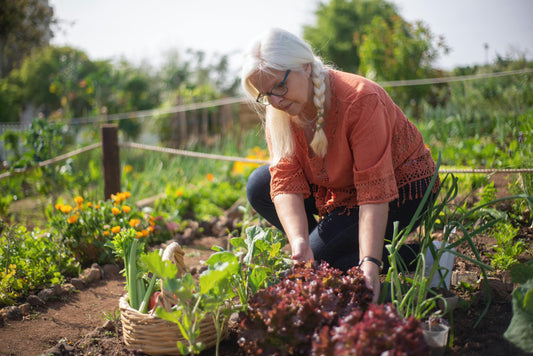
UC Master Gardener Sacramento County recommends consistent organic matter additions, gypsum applications to improve aggregation, and a strict policy of avoiding soil disturbance when wet. Raised bed systems filled with compost-amended loam offer the most reliable solution for vegetable production on heavy clay sites.
Sandy Loam Soils
Sandy loam soils provide a balanced combination of drainage, aeration, and adequate water and nutrient retention — making them among the most workable soils in the county. They occur widely across both agricultural and urban areas and support a broad range of land uses, from commercial vegetable and berry farms to residential landscapes and urban orchards.
Their texture makes sandy loams well suited for drip-irrigated grape vineyards, citrus orchards, and market gardens. Drainage rarely poses a problem, and these soils can typically be worked earlier in the spring than clay-dominated types. The main management need is regular organic matter replenishment, as sandy loams lose nutrients more quickly through leaching than heavier-textured soils.
Loess Soils
Loess soils, formed from wind-blown silt deposited during post-glacial and Pleistocene periods, appear on elevated terraces and hillside landforms in the eastern and southern portions of Sacramento County. Their fine particle size and modest organic matter content produce good inherent fertility, but their silty structure makes them highly susceptible to erosion when surface vegetation is removed or disturbed.
Maintaining continuous vegetation cover — through permanent pasture, cover crops, or native plantings — is the most effective way to prevent rill and sheet erosion on loess-covered slopes. Where erosion has already occurred, reestablishing deep-rooted perennial species stabilizes the surface and rebuilds soil aggregation over time.
Urban Modified Soils
Soils beneath downtown Sacramento and other built-out urban areas bear little resemblance to their natural precursors. Decades of grading, filling, compaction from construction equipment, utility trenching, and importation of heterogeneous fill material have produced soils that the NRCS classifies under disturbed or engineered material designations rather than natural soil profiles.
Urban soils in Sacramento commonly exhibit bulk densities too high for healthy root growth, organic matter content well below 1 percent, and the potential for lead, arsenic, and petroleum hydrocarbon contamination from historic land uses. Before establishing any food production in urban areas, a heavy metals screen is strongly advised. Raised beds built with certified clean topsoil and compost eliminate direct exposure risk while allowing productive gardening anywhere in the city.
Saline and Alkali Soils
Salt-affected soils occur in areas with restricted drainage, particularly adjacent to Sacramento-San Joaquin Delta margins, reclaimed wetlands, and low-lying areas where seasonal flooding concentrates soluble salts. High electrical conductivity values reduce plant-available water and suppress germination and root growth in salt-sensitive crops and ornamentals.
The California State Water Resources Control Board Central Valley Region provides salinity threshold data and management guidance relevant to agricultural operations in these areas. Practical remediation strategies include salt leaching with good-quality irrigation water where drainage infrastructure exists, selection of salt-tolerant plant species, and raised bed construction to isolate roots from high-salinity native soils.
Volcanic Soils
Soils derived from weathered volcanic ash and basaltic parent materials appear in scattered locations along the eastern margins of Sacramento County, where the valley floor transitions toward the Sierra Nevada foothills. These mineral-rich soils contain elevated concentrations of potassium, phosphorus, and trace micronutrients, supporting specialty crop production and ecological restoration of native oak woodland plant communities.
Their limited geographic extent restricts their importance at the county scale, but where they occur they are highly valued for specialty crops and native habitat revegetation projects.
Soil Testing and Analysis
Professional Laboratory Testing
UC Cooperative Extension Sacramento County provides research-based guidance on soil sampling procedures, laboratory selection, and interpretation of results for both agricultural and residential applications. A standard panel evaluating pH, macro- and micronutrient levels, organic matter percentage, and soil texture gives a complete picture for management planning.
For urban food gardens, a supplemental heavy metals panel — screening at minimum for lead and arsenic — is strongly recommended before the first season of production, especially on lots with pre-1978 structures, former orchards, or proximity to high-traffic roadways. Retesting every two to three years is appropriate for established landscape plantings; intensive vegetable beds benefit from annual testing to track nutrient drawdown and organic matter trends.
Field Assessment Methods
Several rapid field tests provide useful preliminary information before laboratory results are available. A jar test — in which a soil sample is shaken with water and allowed to settle — separates sand, silt, and clay layers and estimates texture class by eye. A simple percolation test, filling a pre-soaked hole with water and timing its drainage, reveals whether infiltration rates are adequate for in-ground planting or whether drainage improvements are needed. Colorimetric pH strips or a handheld pH meter give a quick indication of whether lime or sulfur amendments are warranted. These field tools complement, but do not replace, professional laboratory analysis for precision management decisions.
Sustainable Soil Management Strategies
Organic Matter Enhancement
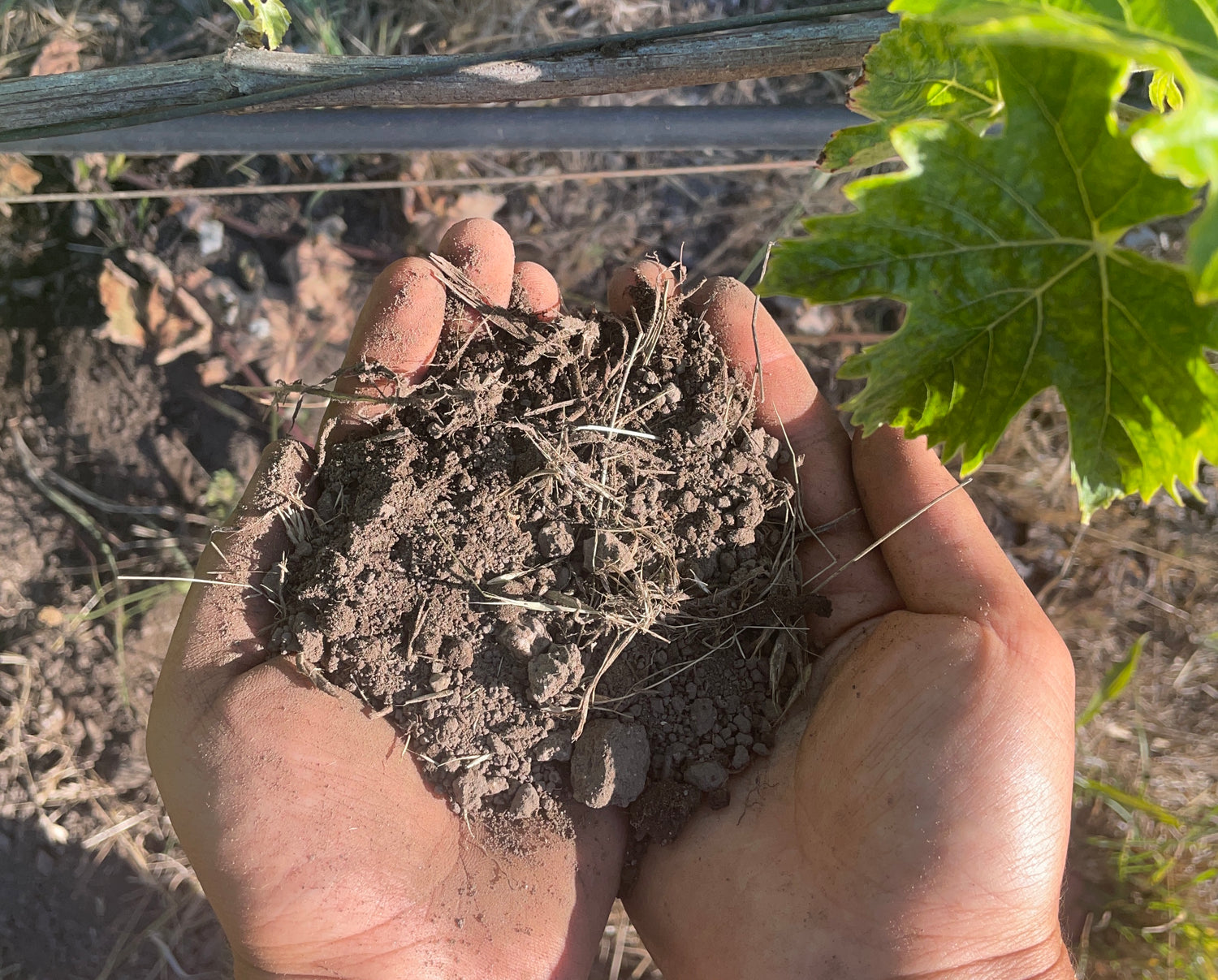
Regular organic matter additions benefit every soil type found in Sacramento County. Finished compost applied at two to four inches per year improves aggregate stability, increases water-holding capacity, feeds soil microbial communities, and slowly releases plant-available nutrients. According to UC Agriculture and Natural Resources publications, consistent compost use over three to five years can raise organic matter levels by a full percentage point in depleted urban and agricultural soils — a change that measurably improves both productivity and drought resilience.
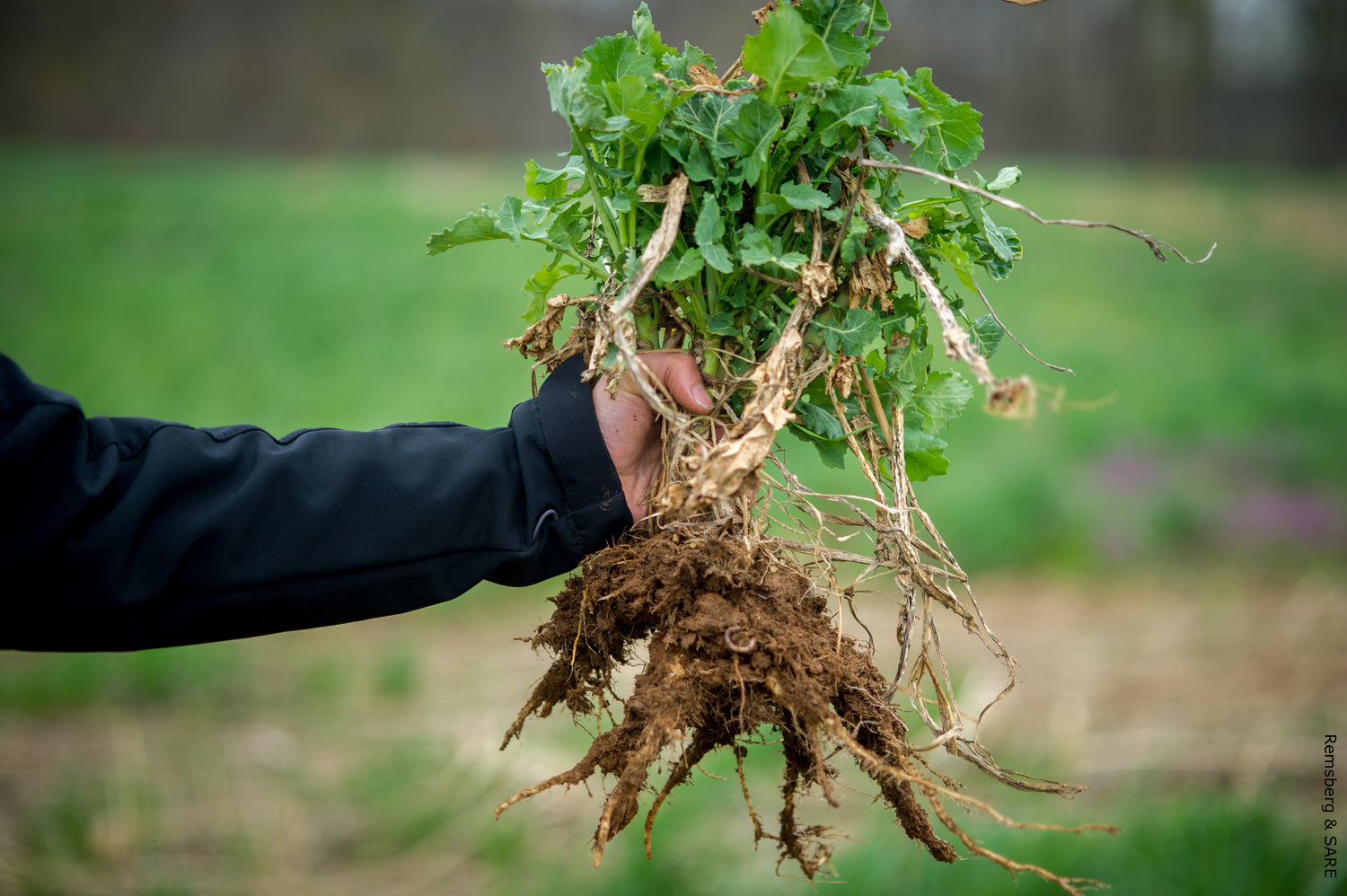
Winter cover crops, particularly legume-grass mixes, serve double duty by adding organic matter when turned under in spring and fixing atmospheric nitrogen through root-zone symbiosis. On agricultural parcels and larger residential lots, cover crops are one of the most cost-effective tools available for building long-term soil health.
Erosion Control and Soil Conservation
NRCS California promotes a suite of conservation practices appropriate to Sacramento Valley conditions, including conservation tillage, residue management, vegetated waterways, and riparian buffers along irrigation and drainage canals. Farmers participating in USDA conservation programs can access cost-share funding for eligible practices through the Environmental Quality Incentives Program (EQIP).
Organic mulch at two to four inches depth suppresses weeds, reduces evaporative moisture loss during Sacramento's dry summers, moderates soil temperature extremes, and gradually improves soil structure as it decomposes. Keep mulch pulled back a few inches from plant stems and woody trunks to prevent crown rot.
Irrigation and Water Management
Matching irrigation delivery to each soil's infiltration rate is fundamental to efficient water use in Sacramento's long dry season. Drip and micro-irrigation systems applied at low flow rates allow water to infiltrate sandy loams and clay soils alike without surface ponding or runoff, reducing both water waste and erosion risk. For clay soils, shorter and more frequent irrigation sets during establishment encourage healthy root development, after which sets can be spaced to promote deeper rooting.
Drainage improvements — including French drains, subsurface tile on agricultural clay, and raised beds in residential settings — benefit sites prone to seasonal waterlogging and can dramatically expand the range of crops and plants that can be grown successfully on heavy soils.
Step-by-Step Sacramento Soil Management Process
- Identify your specific soil type using the NRCS Web Soil Survey. Enter your address, navigate to the Soil Map tab, and review the soil series name, texture class, drainage rating, and land capability classification for your parcel.
- Collect and submit a soil sample to a UC ANR-affiliated or certified private laboratory. Collect subsamples from six to ten locations across your site at root depth (0–6 inches for vegetables, 0–12 inches for trees and shrubs), mix in a clean bucket, air-dry, and ship approximately one cup of material. Request pH, macro- and micronutrients, organic matter, and — for urban sites — a heavy metals screen.
- Apply targeted amendments based on laboratory recommendations. For most Sacramento soils, finished compost at two to four inches incorporated annually is the single highest-impact amendment. Add gypsum to clay soils to improve aggregation. Adjust pH with agricultural lime (to raise toward 6.5) or elemental sulfur (to lower) only when test results indicate a clear need.
- Implement erosion and conservation practices suited to your site. Plant a winter cover crop on bare ground by mid-October. Mulch all exposed soil surfaces. Install vegetated buffers on any slopes or drainage channels. Minimize tillage to protect aggregate structure and earthworm populations.
- Select plants matched to your soil conditions. Use the USDA Web Soil Survey capability class and UC ANR plant selection guides to choose crops and ornamentals suited to your soil's drainage class, pH range, and rooting depth. Avoid placing moisture-sensitive plants into poorly drained clay, or nutrient-hungry crops onto thin or gravelly profiles without heavy amendment.
- Monitor and re-test regularly. Conduct a visual soil health assessment each season — check for earthworm activity, good crumb structure, and absence of surface crusting or hard pan. Re-submit laboratory samples every two to three years and compare against your baseline to measure organic matter trends and catch nutrient imbalances early.
Local Resources and Technical Assistance
UC Master Gardener Sacramento County offers free or low-cost educational clinics, plant problem diagnosis, and soil resource guidance for home gardeners and small-scale producers. Their trained volunteers draw on the same research base as UC Cooperative Extension farm advisors, providing reliable, locally calibrated recommendations.
NRCS Sacramento County field office staff can assist agricultural producers with soil survey interpretation, conservation practice design, and EQIP cost-share applications for eligible conservation work. Contact information is available through the NRCS California state page.
Local garden centers throughout Sacramento — including Green Acres Nursery & Supply at 8501 Jackson Road and The Plant Foundry at 3500 Broadway — carry soil amendments, testing kits, and regionally appropriate plant material. Staff at these stores are familiar with common local soil conditions and can offer practical guidance for amendment selection and application.
Environmental Benefits of Healthy Soil Management
Ecosystem Services
Healthy, well-managed soils deliver ecosystem services that extend far beyond crop yield. Sacramento County's soils filter and store water that recharges the regional groundwater basin, sequester carbon in stable organic matter fractions that offset greenhouse gas emissions, and provide habitat for the diverse soil food web — bacteria, fungi, nematodes, earthworms, and arthropods — that drives nutrient cycling and plant health.
Urban green spaces and urban agriculture sites in Sacramento contribute measurably to these services when managed with organic amendments and reduced chemical inputs. Even modest increases in urban soil organic matter improve stormwater infiltration, reducing peak runoff volumes that stress the municipal drainage system during intense winter storms.
Water Quality Protection
Erosion and nutrient runoff from poorly managed agricultural and residential soils are primary contributors to sediment and nitrate loading in the Sacramento River and its tributaries. Cover cropping, riparian buffers, and precision irrigation reduce these losses while maintaining farm profitability and urban landscape quality. The Central Valley Regional Water Quality Control Board tracks nutrient and sediment trends in the Sacramento watershed and provides regulatory guidance on best management practices for agricultural operations.
Frequently Asked Questions
What are the main soil types in Sacramento County?
Sacramento County features seven primary soil types: alluvial soils formed by river deposition, clay soils with high water retention and shrink-swell behavior, sandy loam soils with balanced drainage, loess soils formed from wind-blown silt, urban-modified soils disturbed by construction and fill, saline and alkali soils in low-drainage areas, and volcanic soils rich in potassium and phosphorus in the eastern portions of the county. Each type requires a distinct management approach for optimal plant growth and long-term soil health.
How often should I test my soil in Sacramento?
For established ornamental gardens and lawns, testing every two to three years is sufficient to track nutrient trends and organic matter levels. Intensive vegetable production benefits from annual testing to catch nutrient drawdown before it affects yield. Any new planting site, recently purchased urban parcel, or area with suspected contamination should be tested immediately, including a heavy metals screen for lead and arsenic.
What amendments work best for Sacramento clay soils?
Finished compost incorporated at two to four inches annually is the most important amendment for Sacramento clay soils, improving aggregation, drainage, and aeration over time. Gypsum at label rates helps flocculate clay particles and accelerate drainage improvement. Avoid adding sand alone to clay, as incorrect ratios can worsen compaction. Never work clay soils when wet, and consider raised beds with imported loam for vegetable production in areas with severe drainage problems.
Where can I get soil testing in Sacramento?
UC Cooperative Extension Sacramento County provides guidance on sampling procedures and laboratory selection through its Master Gardener program. The UC ANR catalog lists certified laboratories and sampling protocols appropriate for both residential and commercial agricultural testing in California.
What plants work best in Sacramento's different soil types?
Alluvial soils support the broadest range of crops and ornamentals. Clay soils perform best with drought-tolerant California native plants and deep-rooted perennials that tolerate wet winters. Sandy loams are well suited to vegetables, fruit trees, and grapevines. Saline soils require alkali-tolerant species such as saltgrass, alkali sacaton, and other native grasses adapted to valley floor conditions.
How can I improve drainage in clay soils?
Consistent compost additions increase the proportion of large pores in clay soil and are the most sustainable long-term drainage improvement strategy. Gypsum applications improve clay particle flocculation and aggregation, especially in sodium-affected soils. Where waterlogging is severe, installing subsurface drain tile or French drains provides more immediate relief. Raised beds allow productive gardening entirely above the problematic native clay. In all cases, avoid vehicle and foot traffic on wet clay to prevent further compaction.
Sources
- Natural Resources Conservation Service, USDA. Web Soil Survey. https://websoilsurvey.nrcs.usda.gov/app/
- Natural Resources Conservation Service, USDA. Soil Survey Information. https://www.nrcs.usda.gov/conservation-basics/natural-resource-concerns/soil/soil-survey
- NRCS California. Conservation Programs by State. https://www.nrcs.usda.gov/conservation-basics/conservation-by-state/california
- UC Cooperative Extension. County Offices and Resources. https://ucanr.edu/sites/ucanr/County_Offices
- UC Master Gardener Sacramento County. Soil Resources. https://sacmg.ucanr.edu/Soil/
- UC Agriculture and Natural Resources. ANR Publication Catalog. https://anrcatalog.ucanr.edu/
- California State Water Resources Control Board, Central Valley Region. Salinity and Nutrient Management. https://www.waterboards.ca.gov/centralvalley/water_issues/salinity/