Find Certified Soil Testing Labs in California
Quick Answer: Use the zip code finder below to locate certified soil testing labs near you in California. Most California residents have access to 5-10 labs within 50 miles. All listed labs offer nutrient analysis, disease diagnostics, and water quality testing.
Find the Nearest Soil Lab
Enter your California zip code to see certified labs ranked by distance, with contact info and services offered.
Ready to Test Your Soil?
Use our discount code to get 5% off your soil test order:
Why Soil Testing Matters in California
California's diverse climates—from the Central Valley's intensive agriculture to coastal regions' specialty crops—demand precise soil knowledge. Soil testing gives you actionable data to:
- Optimize fertilizer use by identifying nutrient deficiencies before they impact yields
- Prevent crop diseases through early plant pathogen and nematode detection
- Manage irrigation with water quality and soil salinity analysis
- Reduce input costs by applying only what your soil needs
- Meet regulatory requirements for organic certification and environmental compliance
What Services Do California Labs Provide?
Nutrient Analysis (NPK & Micronutrients)
Soil nutrient testing measures nitrogen, phosphorus, potassium, and trace minerals essential for plant growth. Results help you adjust fertilizer applications for your specific crop and soil type.
Plant Tissue Testing
Tissue analysis identifies nutrient deficiencies or toxicities in living plants. Used for mid-season adjustments, this test reveals what plants are actually absorbing.
Disease & Pest Diagnostics
California labs identify plant pathogens (fungi, bacteria, viruses), nematodes, and insect damage. Early detection prevents costly crop losses and guides targeted management strategies.
Water Quality Testing
Irrigation water analysis ensures your water supply meets agricultural standards, checking for salinity, pH, pathogens, and contaminants that could damage crops or soil.
Heavy Metals & Contaminant Testing
Identifies arsenic, lead, cadmium, and other contaminants—critical for food safety compliance and urban agriculture applications.
All Certified Soil Labs in California
Search the complete directory below by lab name, city, or zip code. Click "Find Labs" above first to see nearest options ranked by distance.
| Lab Name | Location | Phone | Services |
|---|
How to Prepare Soil Samples
Proper sample collection ensures accurate results. Most California labs provide these general guidelines:
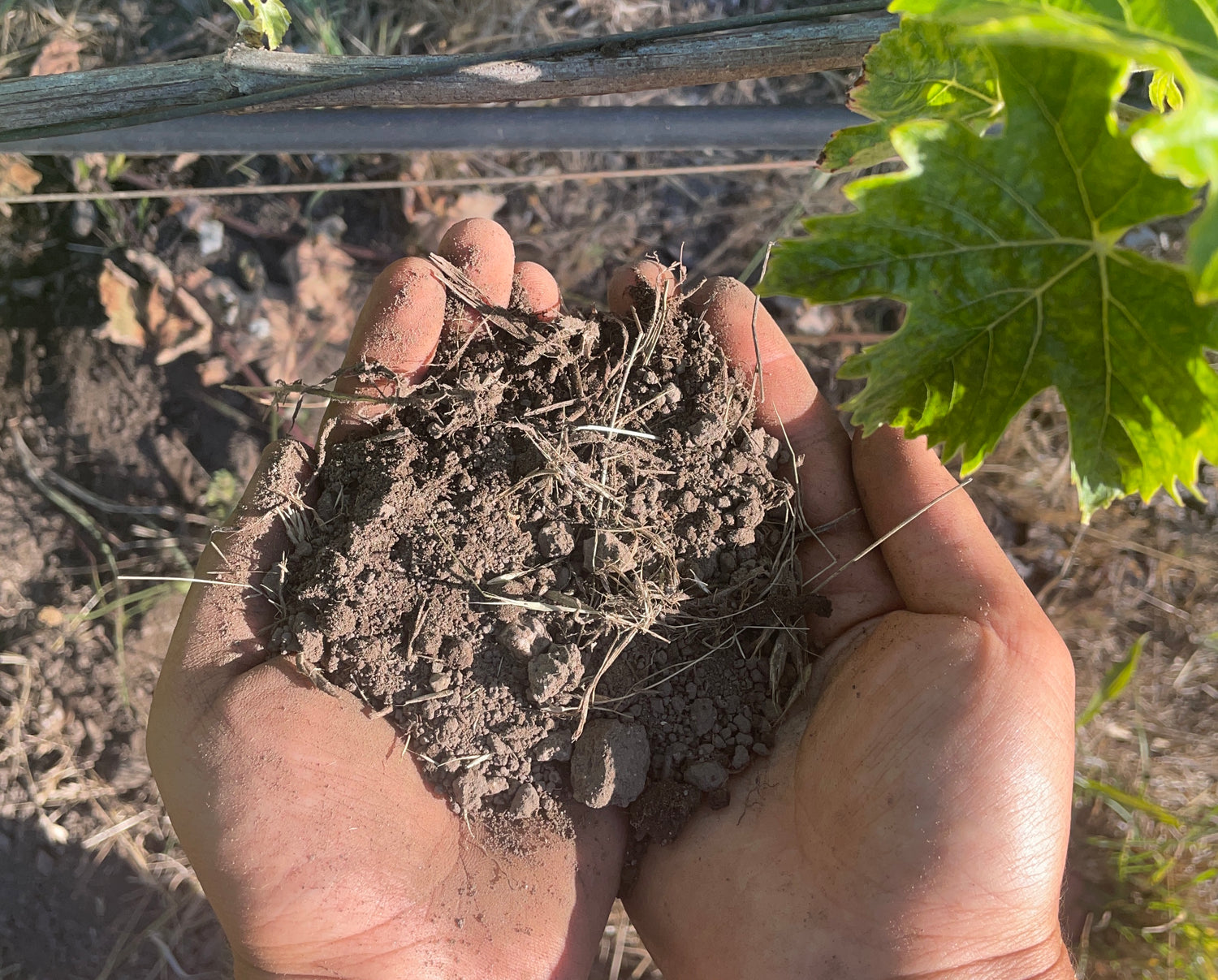
- Use a clean trowel or soil probe to collect soil at root depth (4-6 inches for lawns, 8-12 inches for gardens)
- Take samples from multiple locations across your property and mix in a clean bucket
- Allow samples to air-dry naturally—never heat-dry or refrigerate
- Remove rocks, roots, and debris before submission
- Send samples in clean, labeled containers within 1-2 weeks of collection
- Contact your lab beforehand for specific sample size requirements and submission forms
Sources & References
This article is based on data from recognized agricultural authorities and published soil science research:
- USDA Natural Resources Conservation Service (NRCS). Soil Health Resources. https://www.nrcs.usda.gov/soil-health
- University of California Agriculture and Natural Resources (UC ANR). Soil Testing Guide for California. https://anrprojects.ucdavis.edu
- Soil Science Society of America. Soil Testing and Plant Analysis Technical Committee. https://www.soils.org
- California Department of Food and Agriculture (CDFA). Laboratory Accreditation Program. https://www.cdfa.ca.gov
- Rodale Institute. Soil Health Resources and Publications. https://rodaleinstitute.org
- ATTRA Sustainable Agriculture. Organic Soil Testing Interpretation. https://attra.ncat.org
- PubMed Central. Soil Nutrient Analysis and Plant Growth: Meta-Analysis of Agricultural Studies. https://www.ncbi.nlm.nih.gov/pmc