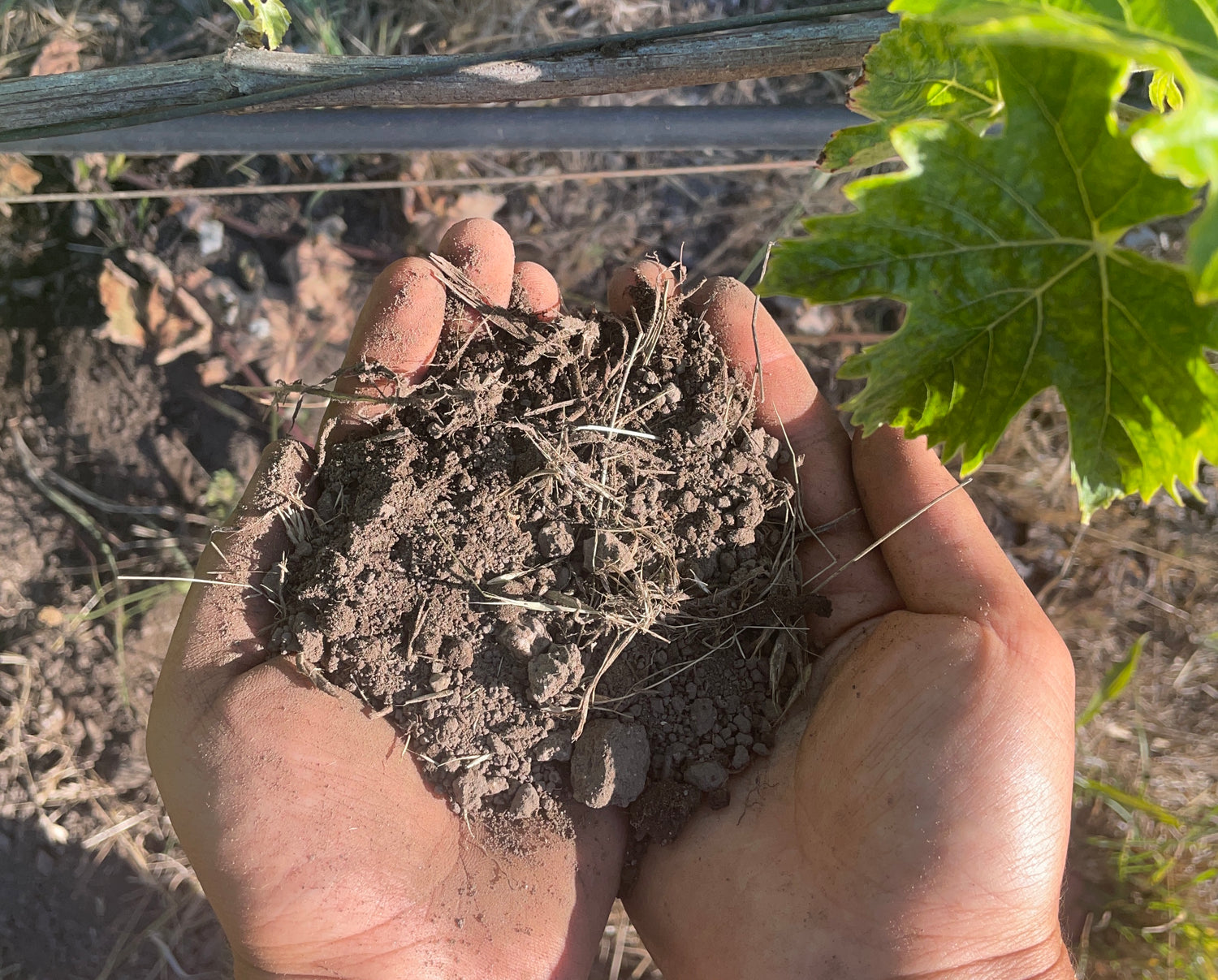
Choosing the right organic soil amendments and fertilizers is fundamental to building healthy, productive gardens and farms. Understanding the nutrient content, release rates, and appropriate applications of various organic materials allows you to create a customized fertility program that feeds both plants and soil life.
Understanding Organic Soil Amendments
The most effective approach to choosing organic fertilizers starts with understanding your soil's current nutrient status and your plants' specific needs, then selecting amendments that address deficiencies while building long-term soil health.
Understanding NPK Ratios and Plant Nutrition
Every fertilizer displays an NPK ratio representing the percentages of nitrogen, phosphorus, and potassium by weight. A fertilizer labeled as ten-ten-ten contains ten percent each of these three primary macronutrients. Nitrogen drives leafy growth and chlorophyll production, phosphorus supports root development and flowering, while potassium regulates water balance and strengthens disease resistance. According to research from Michigan State University Extension, plants also require secondary nutrients including calcium, magnesium, and sulfur, plus micronutrients such as boron, copper, iron, manganese, molybdenum, and zinc in smaller quantities.
The ratio matters more than the absolute numbers. A three-one-two ratio promotes balanced vegetative growth for most gardens and houseplants, while flowering plants may benefit from higher phosphorus ratios. Organic fertilizers typically show lower NPK numbers than synthetics because nutrients are bound in complex organic molecules that must be broken down by soil microorganisms before plants can access them. This slow-release characteristic prevents nutrient burn while feeding plants steadily over months.
The Importance of Soil Testing
Before purchasing any fertilizer, conduct a soil test to determine existing nutrient levels and pH. The USDA Natural Resources Conservation Service recommends testing soil at least three months before planting to allow time for amendments to take effect. Soil tests reveal not only NPK levels but also micronutrient availability, organic matter content, and pH, which dramatically affects nutrient availability. Most nutrients become unavailable to plants in soils with pH above seven, while acidic soils below six can make certain nutrients toxic.
Testing prevents wasteful over-application and environmental harm. Excess phosphorus, for instance, can run off into waterways causing algal blooms, while unnecessary nitrogen applications waste money and may burn plants. Many land-grant universities and agricultural extension services offer affordable soil testing, providing detailed recommendations for amendment applications based on your specific soil conditions and crop plans.
Animal-Based Organic Fertilizers
Blood Meal
Blood meal is dried, powdered animal blood from slaughterhouses, typically bovine in origin. With approximately twelve to thirteen percent nitrogen content and minimal phosphorus and potassium, blood meal serves as one of the highest non-synthetic nitrogen sources available. According to research from Clemson University, this water-soluble amendment provides relatively quick nitrogen availability compared to other organic sources, releasing nutrients over six to eight weeks following application.
Blood meal works exceptionally well for nitrogen-hungry crops including leafy greens, brassicas, and corn. However, its rapid availability and acidity mean gardeners should use it judiciously. Excessive application can lower soil pH and burn plants. Typical application rates range from one to two pounds per hundred square feet for vegetable gardens. Blood meal may also deter deer and rabbits due to its scent, though this same characteristic can attract carnivorous scavengers if not properly incorporated into soil.
Bone Meal
Bone meal consists of finely ground animal bones from slaughterhouses, steamed under high pressure to remove gelatin before grinding. University research indicates bone meal typically contains minimal nitrogen but twelve to fifteen percent phosphorus and twenty to twenty-five percent calcium. The phosphorus content makes bone meal particularly valuable for root vegetables, bulbs, and flowering plants.
Colorado State University studies show bone meal requires acidic soil conditions with pH below seven to release nutrients effectively. In alkaline soils, the phosphorus remains largely unavailable to plants. Bone meal releases nutrients slowly over one to four months, with finer grinds breaking down faster than coarse particles. Gardeners typically apply three to five pounds per hundred square feet for new beds, or add one to two tablespoons per planting hole for transplants and bulbs. The high calcium content also helps prevent blossom end rot in tomatoes and peppers.
Feather Meal
Feather meal derives from poultry processing, where feathers are pressure-cooked and ground into a high-nitrogen amendment. This byproduct contains approximately twelve percent nitrogen, making it comparable to blood meal in nitrogen content while typically costing less. The protein-based nitrogen breaks down more slowly than blood meal, providing steady nutrient release over several months.
Research from Hortitech indicates feather meal benefits soil microbial populations when applied with other organic materials. The slow-release nature makes feather meal well-suited for long-season crops and situations where sustained nitrogen availability is desired without risk of leaching. Application rates mirror those of blood meal, though the slower release means less risk of nitrogen burn or pH fluctuation.
Fish Products
Fish meal, fish bone meal, and liquid fish emulsions offer complete nutrition profiles with balanced macronutrients and valuable micronutrients. Fish bone meal, made from ground fish bones and scales, typically analyzes at four-twelve-zero, providing both nitrogen and highly available phosphorus. Down to Earth and other organic fertilizer manufacturers use Pacific Northwest fish processing byproducts to create fish-based amendments that feed both plants and beneficial soil organisms.
Liquid fish fertilizers, often combined with kelp, deliver immediately available nutrients for foliar feeding or soil drenching. These products support rapid growth during critical periods such as transplanting or flowering. The amino acids, minerals, and growth hormones in fish products stimulate both plant growth and soil biological activity, making them valuable components of organic fertility programs despite their relatively higher cost compared to other amendments.
Plant-Based Organic Amendments
Kelp and Seaweed Products
Kelp meal, derived from cold-water brown seaweed species including Ascophyllum nodosum, provides modest NPK levels typically around one-zero-two but excels in micronutrient content and plant growth regulators. Research from the University of Florida demonstrates that kelp contains over sixty trace minerals naturally chelated for plant uptake, including iron, manganese, zinc, and magnesium. The growth hormones cytokinins and auxins in kelp stimulate root development and improve stress tolerance.
Ohio State research shows kelp meal improves seed germination, increases disease resistance, and enhances overall plant vigor beyond what NPK numbers suggest. Gardeners apply kelp meal at rates of one to two pounds per hundred square feet, incorporating it into soil or using it as a top dressing. Liquid kelp products, applied as foliar sprays or soil drenches, deliver faster results during periods of active growth or environmental stress. The carbohydrates in kelp also feed beneficial soil bacteria that fix atmospheric nitrogen.
Alfalfa Meal
Alfalfa meal, ground from sun-cured alfalfa plants, typically analyzes at two-zero-one or two to three-zero to one-two to three depending on processing. Beyond basic nutrients, alfalfa contains the natural growth hormone triacontanol, which research shows increases yields and accelerates plant development. Down to Earth and other manufacturers source non-GMO alfalfa to ensure quality and avoid herbicide residues that could harm soil biology.
Clemson University research indicates alfalfa meal particularly benefits roses, where it has been used traditionally for decades. The amino acid content stimulates microbial breakdown of other organic materials in soil, improving overall nutrient cycling. Alfalfa meal breaks down relatively quickly compared to rock minerals, releasing nutrients over several months. Application rates range from one to two pounds per hundred square feet for established beds, with smaller amounts added to planting holes for transplants. The slight alkalinity of alfalfa meal means acid-loving plants like blueberries and rhododendrons should receive other amendments.
Neem Seed Meal
Neem seed meal, also called neem cake, is cold-pressed from seeds of the Indian neem tree following oil extraction. With an NPK of approximately six-one-two, neem meal provides slow-release nitrogen along with unique pesticidal properties. The USDA National Organic Program lists neem seed meal as an approved organic input for crop production.
Beyond nutrition, neem meal protects plant roots from soil-dwelling pests including root-knot nematodes, grubs, and root aphids. Down to Earth recommends applying two and a half to five pounds per hundred square feet for new gardens, with monthly side-dressing during the growing season for established plants. The strong odor makes neem meal unsuitable for indoor use, but outdoor applications benefit both from the fertility boost and pest suppression properties. Neem meal also stimulates beneficial soil microorganisms while deterring harmful organisms.
Mineral-Based Organic Amendments
Rock Phosphate
Rock phosphate, mined from ancient marine deposits, provides slow-release phosphorus along with calcium and trace minerals. Hard rock phosphate typically contains thirty percent total phosphorus though only two to three percent becomes available annually, banking the remainder for long-term availability. Soft rock phosphate, mined primarily in Florida, releases phosphorus somewhat faster and improves soil moisture retention.
According to agricultural research, rock phosphate works best in acidic soils below pH six where acids can dissolve the mineral structure. Applications made in fall allow time for breakdown before spring planting. Typical rates range from two to six pounds per hundred square feet depending on soil test results. The long-lasting effect means rock phosphate need only be applied every three to five years once adequate phosphorus levels are established, making it cost-effective despite higher initial application amounts.
Greensand
Greensand, also called glauconite, comes from ancient marine deposits mined primarily in New Jersey. This greenish mineral contains five to seven percent potassium along with iron, silica, and thirty-two trace minerals. Arkansas geological surveys note that economical greensand deposits must contain at least ninety percent glauconite with minimal clay content.
The potassium in greensand releases very slowly over five to ten years, making it ideal for building long-term potassium reserves rather than correcting acute deficiencies. Greensand improves water retention in sandy soils while helping break up clay, contributing to better soil structure beyond its nutritional value. Application rates of five to ten pounds per hundred square feet for deficient soils build adequate reserves over time. The high iron content means greensand should be avoided if soil tests indicate excess iron.
Langbeinite
Langbeinite, marketed as Sul-Po-Mag or K-Mag, is mined from crystalline deposits and contains twenty-two percent potassium, eleven percent magnesium, and twenty-two percent sulfur. Unlike most rock minerals, the nutrients in langbeinite are water-soluble and immediately available to plants. This makes langbeinite valuable for quick correction of deficiencies in any of its three nutrients.
The neutral pH of langbeinite means it does not alter soil acidity, and the low chlorine content minimizes salt damage risks. Research indicates langbeinite particularly benefits crops requiring high potassium and magnesium, such as tomatoes, potatoes, and fruit trees. The sulfur component aids nitrogen utilization and protein synthesis. Application rates of six pounds per thousand square feet address moderate deficiencies, with effects lasting one growing season rather than the multi-year persistence of greensand or rock phosphate.
Essential Micronutrients
Understanding Micronutrient Requirements
Plants require micronutrients including boron, copper, iron, manganese, molybdenum, zinc, and others in small quantities, but deficiencies can severely limit growth regardless of adequate macronutrient levels. Michigan State University research emphasizes that micronutrient availability depends heavily on soil pH, organic matter content, and interactions with other elements. Most agricultural soils contain sufficient total micronutrients, but they may exist in unavailable forms.
Signs of micronutrient deficiency include interveinal chlorosis, stunted growth, poor fruit set, and increased disease susceptibility. However, these symptoms can be confused with other problems, making soil and tissue testing valuable for accurate diagnosis. Sandy soils are more prone to micronutrient deficiencies due to leaching, while high pH soils may have adequate micronutrient levels that plants cannot access. Correcting pH problems often resolves micronutrient deficiencies without direct micronutrient applications.
Micronutrient Sources and Application
Boron addresses deficiencies that cause poor fruit set and hollow stems, applied as sodium borate or borax at low rates. Copper sulfate provides both copper and sulfur, functioning as both nutrient and fungicide when used appropriately. Iron deficiency chlorosis, common in high pH soils, responds to chelated iron products that remain available across a wider pH range than iron sulfate.
Manganese sulfate corrects manganese deficiencies that impair photosynthesis and nitrogen utilization. Zinc sulfate or chelated zinc products address zinc deficiency, which causes stunted growth and delayed maturity. Agricultural specialists recommend using chelated forms for foliar applications and fertigation, while sulfate forms work for soil incorporation. Greenhouse Grower research indicates that chelated micronutrients using EDTA, DTPA, or EDDHA remain stable and available to plants better than simple sulfate forms, especially in alkaline conditions.
Combination micronutrient products provide balanced blends of several minerals, simplifying applications when multiple deficiencies exist. However, gardeners should avoid routine micronutrient applications without soil test justification, as excess micronutrients can become toxic and interfere with uptake of other nutrients. When in doubt, comprehensive organic amendments like kelp meal, compost, and quality rock dusts supply broad-spectrum micronutrients safely.
Building a Complete Fertility Program
Combining Amendments Strategically
The most effective organic fertility programs combine fast and slow-release materials to provide both immediate plant nutrition and long-term soil building. A basic annual program might include compost for organic matter and microbial food, alfalfa or blood meal for nitrogen, bone meal or rock phosphate for phosphorus, and kelp meal for potassium plus micronutrients. Down to Earth offers pre-blended complete fertilizers combining these ingredients in balanced ratios for convenience.
Fall applications of slow-release amendments like rock phosphate, bone meal, and greensand allow winter decomposition to make nutrients available for spring planting. Spring applications focus on faster-acting materials like blood meal, feather meal, and liquid fertilizers to support rapid early growth. Mid-season side-dressing with balanced amendments maintains fertility throughout the growing season. This layered approach ensures continuous nutrient availability while building soil organic matter and biological activity.
Organic Matter and Microbial Life
All organic fertilization programs depend on healthy soil biology to convert complex organic molecules into plant-available nutrients. Compost, cover crops, mulches, and organic amendments feed soil microorganisms, which in turn process nutrients and improve soil structure. The USDA National Organic Program emphasizes that organic production must maintain or improve soil organic matter content through proper management of plant and animal materials.
Regular compost applications build soil organic matter, improve water retention, and support diverse microbial communities. Cover crops including legumes fix atmospheric nitrogen while adding biomass when incorporated. Minimizing tillage preserves soil structure and protects fungal networks that extend nutrient gathering capacity. Together, these practices create living soil that efficiently cycles nutrients and supports robust plant growth with reduced dependence on purchased inputs.
Quick Reference: Organic Amendment Comparison Chart
The following table provides a streamlined comparison of popular organic amendments with their NPK values, primary benefits, and links to purchase from major retailers. This reference allows you to quickly identify products that address your specific soil needs.
| Product Name | NPK | Primary Benefits | Best For | Where to Buy |
|---|---|---|---|---|
| Animal-Based Nitrogen Sources | ||||
| Down to Earth Blood Meal | 12-0-0 | Fast-acting nitrogen, stimulates leafy growth | Leafy greens, corn, brassicas | Amazon | Direct |
| Down to Earth Feather Meal | 12-0-0 | Slow-release nitrogen, feeds soil microbes | Long-season crops, general gardens | Amazon | Direct |
| Phosphorus Sources | ||||
| Down to Earth Bone Meal | 3-15-0 | High phosphorus, calcium, promotes roots | Bulbs, root crops, flowering plants | Amazon | Direct |
| Down to Earth Fish Bone Meal | 4-12-0 | Marine phosphorus, calcium, feeds beneficial fungi | Flowering plants, perennials, transplants | Amazon | Direct |
| Down to Earth Rock Phosphate | 0-3-0 | Slow-release phosphorus, calcium, trace minerals | Long-term soil building, acidic soils | Amazon | Direct |
| Down to Earth Seabird Guano | 0-11-0 | High phosphorus, fast-acting, micronutrients | Flowering stage, fruiting plants | Amazon | Direct |
| Complete Protein Sources | ||||
| Down to Earth Fish Meal | 8-6-0 | Balanced N-P, amino acids, feeds soil biology | Vegetables, flowers, general feeding | Amazon | Direct |
| Down to Earth Crab Meal | 4-3-0 | Chitin for pest control, calcium, slow-release | Nematode control, general soil health | Amazon | Direct |
| Down to Earth Shrimp Meal | 6-6-0 | Balanced NPK, chitin, calcium | Vegetables, pest deterrence | Amazon | Direct |
| Plant-Based Amendments | ||||
| Down to Earth Alfalfa Meal | 2.5-1-1 | Triacontanol growth hormone, feeds microbes | Roses, vegetables, compost activator | Amazon | Direct |
| Down to Earth Kelp Meal | 1-0.1-2 | Growth hormones, 60+ trace minerals, stress resistance | All plants, foliar feeding, soil conditioning | Amazon | Direct |
| Down to Earth Neem Seed Meal | 6-1-2 | Nitrogen plus pest control, nematode suppression | Vegetables, pest prevention, soil health | Amazon | Direct |
| Down to Earth Cottonseed Meal | 6-2-1 | Acidifying nitrogen source, slow-release | Acid-loving plants, blueberries, azaleas | Amazon | Direct |
| Potassium and Mineral Sources | ||||
| Down to Earth Langbeinite (Sul-Po-Mag) | 0-0-22 | Potassium, magnesium, sulfur, water-soluble | Tomatoes, potatoes, fruit trees | Amazon | Direct |
| Greensand | 0-0-3 | Slow-release potassium, iron, 32 trace minerals | Long-term soil conditioning, clay improvement | Amazon | Home Depot |
| Down to Earth Azomite | 0-0-0.2 | Volcanic rock dust, 70+ trace minerals | Re-mineralizing depleted soils | Amazon | Direct |
| Essential Micronutrients | ||||
| Manganese Sulfate | — | 32% manganese, corrects chlorosis | Photosynthesis support, alkaline soils | Amazon | Home Depot |
| Zinc Sulfate | — | 36% zinc, corrects deficiency | Growth regulation, corn, fruit trees | Amazon | Home Depot |
| Copper Sulfate | — | 25% copper, enzyme production | Photosynthesis, disease resistance | Amazon | Home Depot |
| Iron Chelate (EDDHA) | — | 6% iron, works in alkaline soils | Chlorosis correction, high pH soils | Amazon | Home Depot |
| Borax (Sodium Borate) | — | 11% boron, supports flowering | Fruit set, cell wall formation | Amazon | Home Depot |
| Solubor (Sodium Borate) | — | 20% boron, highly soluble | Quick boron correction, foliar spray | Amazon |
| Complete Blends | ||||
| Down to Earth All Purpose | 4-6-2 | Balanced blend for vegetables and flowers | General garden use, new beds | Amazon | Direct |
| Down to Earth Bio-Live | 5-4-2 | Beneficial microbes, complete nutrition | Living soil systems, all crops | Amazon | Direct |
| Down to Earth Rose & Flower | 4-8-4 | High phosphorus for blooms | Roses, flowering perennials | Amazon | Direct |
| Down to Earth Acid Mix | 4-3-6 | Acidifying formula for low pH plants | Blueberries, rhododendrons, azaleas | Amazon | Direct |
| Liquid Fertilizers | ||||
| Down to Earth Liquid Fish & Kelp | 2-4-1 | Fast-acting, foliar feeding, growth stimulation | Transplants, mid-season boost | Amazon | Direct |
| Down to Earth Liquid Bloom | 2-6-4 | High phosphorus liquid for flowering | Flowering stage, fruiting plants | Amazon | Direct |
How to Use This Chart
Start by identifying your soil's specific needs through testing, then select amendments that address those deficiencies. For nitrogen-deficient soils, choose blood meal or feather meal depending on whether you need fast or slow release. Phosphorus deficiencies respond to bone meal, fish bone meal, or rock phosphate based on your pH and timeline. Potassium needs can be met with langbeinite for quick results or greensand for long-term building.
Micronutrient products should only be applied when soil tests confirm specific deficiencies. Manganese sulfate, zinc sulfate, and copper sulfate address individual element shortages, while chelated iron products work best in alkaline soils where regular iron remains unavailable. Always start with lower application rates and increase based on plant response and follow-up testing.
The complete blend fertilizers offer convenience for general feeding without requiring multiple products. Down to Earth's All Purpose and Bio-Live work well for most vegetable gardens, while specialty blends like Acid Mix and Rose & Flower target specific plant groups. Liquid fertilizers provide fast results for transplants, foliar feeding, or mid-season supplementation when plants need an immediate nutrient boost.
Making Informed Choices
Reading Labels and Certifications
The Organic Materials Review Institute maintains lists of products approved for organic production under USDA National Organic Program standards. OMRI Listed products have been verified to comply with organic regulations, though the absence of OMRI listing does not necessarily mean a product is prohibited. The USDA requires that all materials used in certified organic production must be approved by the operation's certifying agent.
Fertilizer labels must state NPK percentages by weight and list all ingredients. Products labeled organic may contain synthetic ingredients if those synthetics appear on the National List of allowed substances. Understanding ingredient sources helps gardeners make informed choices aligned with their goals. Down to Earth and similar manufacturers provide transparent ingredient information and source materials from quality suppliers, avoiding low-grade fillers like biosolids or municipal waste.
Cost-Effectiveness and Sustainability
While organic fertilizers often cost more per pound than synthetic alternatives, their soil-building properties provide value beyond immediate nutrient delivery. The slow release minimizes leaching losses and extends effectiveness, reducing total annual fertilizer needs. Building soil organic matter through organic amendments improves long-term productivity, reducing fertilizer dependence over time.
Buying amendments in bulk reduces packaging waste and per-unit costs for larger gardens. Sourcing locally available materials like composted manure, leaf mold, or agricultural byproducts further reduces costs and environmental impact. Creating custom blends from single-ingredient amendments allows precise tailoring to soil test results, avoiding payment for unneeded nutrients. The investment in soil testing, quality amendments, and proper application practices pays dividends through healthier plants, better yields, and reduced long-term input requirements.
Conclusion
Choosing organic soil amendments and fertilizers requires understanding plant nutrition basics, conducting soil tests, and selecting materials that address specific needs while building long-term soil health. The diversity of available organic amendments allows gardeners to create customized fertility programs using animal byproducts like blood and bone meal for macronutrients, plant-based materials like kelp and alfalfa for growth stimulation, and mineral amendments like rock phosphate and greensand for long-term nutrient banking. Micronutrient products correct specific deficiencies when identified through testing. By feeding the soil ecosystem rather than just the plants, organic amendments create resilient, productive growing environments that improve year after year.
Sources
- USDA Natural Resources Conservation Service. Soil Health Resources. https://www.nrcs.usda.gov/resources/guides-and-instructions/soil-health
- USDA Agricultural Marketing Service. National Organic Program - Allowed & Prohibited Substances. https://www.ams.usda.gov/publications/content/allowed-prohibited-substances
- USDA Agricultural Marketing Service. The National List. https://www.ams.usda.gov/rules-regulations/organic/national-list
- Organic Materials Review Institute (OMRI). OMRI Lists. https://www.omri.org/omri-lists
- Clemson Cooperative Extension. Understanding Organic Fertility. Home & Garden Information Center. https://hgic.clemson.edu/factsheet/understanding-organic-fertility/
- Michigan State University Extension. Secondary and Micro-nutrients for Vegetable and Field Crops. https://www.canr.msu.edu/resources/secondary_and_micro_nutrients_for_vegetable_and_field_crops_e486
- University of Florida IFAS Extension. Understanding and Applying Chelated Fertilizers. https://edis.ifas.ufl.edu/publication/HS1208
- Colorado State University. Bone Meal Information (cited in research literature)
- Arkansas Geological Survey. Greensand Deposits. https://www.geology.arkansas.gov/minerals/industrial/greensand.html
- Down To Earth Fertilizers. Product Information and Technical Resources. https://downtoearthfertilizer.com