Cucumbers are fast-growing, warm-season vines that respond quickly to changes in soil, water, temperature, and pollination. Because small stresses show up as crispy leaves, misshapen fruit, or bitter flavor, knowing what the plant is telling you is the key to a steady harvest.
Growing Cucumbers: Soil Conditions and Troubleshooting Leaf, Climbing, Shape, and Bitterness Problems
Cucumbers grow best in loose, well-drained soil with a pH of roughly 6.0 to 6.8, steady moisture, and warm conditions. Most problems, including crispy leaves, deformed fruit, and bitterness, trace back to weather stress, uneven watering, poor pollination, or disease.
Best Soil Conditions for Growing Cucumbers
Soil pH and testing
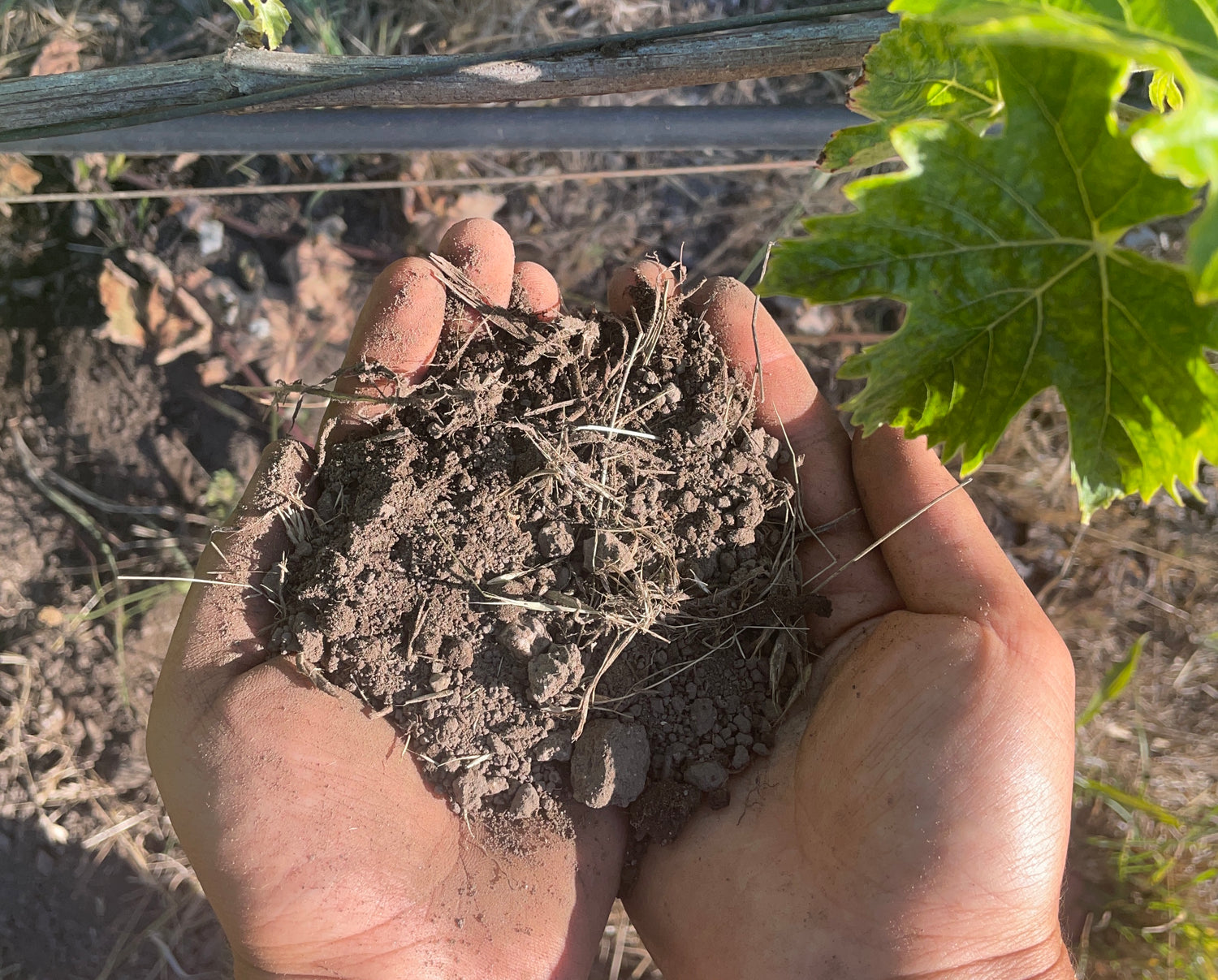
Oregon State University Extension identifies an ideal cucumber soil pH of 6.0 to 6.8 and recommends adjusting fertilizer based on a laboratory soil test. University of Georgia Extension gives a slightly narrower target of 6.0 to 6.5 and advises using soil test results to guide lime and fertilizer. A test before planting is the most reliable way to know where you stand.
Texture, drainage, and compost
- University of Georgia Extension describes the preferred soil as loose and well drained.
- Purdue Extension notes that clay-containing soils can be improved by working compost into the soil before planting.
- Oregon State University Extension advises against overworking soil, which can leave it powdery and prone to crusting.
Soil temperature and mulch
University of Georgia Extension recommends that soil be at least 60°F before seeding, and Purdue Extension gives the same 60°F benchmark for cucurbit seed germination. University of Minnesota Extension warns that cold soil (below 62°F) combined with cold, wet weather can damage plants. Georgia Extension also recommends mulch to conserve soil moisture, reduce fruit rot from soil contact, and suppress weeds.
Water
University of Illinois Extension notes that cucumbers have shallow roots and need ample soil moisture at every stage, with moisture most critical as fruit begins to set and mature.
Diagnosing Cucumber Leaf Problems
Crispy, brown, or dying leaves
Crispy or browning leaves have several possible causes. Check these in order:
- Cold damage. University of Minnesota Extension lists cold (air below 50°F, soil below 62°F) and damp conditions as a cause of leaf edges turning olive green to brown, and in severe cases whole leaves or plants wilting and discoloring.
- Bacterial wilt. Leaves first look dull green, wilt during the day, and recover at night. Eventually wilted leaves die and the wilt moves down the vine. Striped or spotted cucumber beetles are usually present.
- Powdery mildew. It starts as pale yellow leaf spots on older leaves and can spread rapidly across the plant.
- Water or heat stress. Scorched, papery leaf margins during hot, dry spells often point to inconsistent watering.
Wilting that does not recover: bacterial wilt
University of Minnesota Extension states that once bacterial wilt infects a plant there is no way to control the disease, and that managing cucumber beetles is the most effective prevention. University of Maryland Extension adds that beetle control matters most from seedling emergence or transplanting, that infected vines die in 7 to 14 days, and that a cut wilted stem pressed with a knife blade and drawn away may show white strands of bacterial ooze. Remove infected plants so beetles do not carry the bacteria to others.
White powder or yellow spots: powdery mildew
University of Minnesota Extension reports that powdery mildew favors humid conditions with temperatures around 68 to 81°F, infects older leaves first, and weakens plants so they produce fewer and smaller fruit. Their home garden advice is to plant varieties with complete or partial resistance. Giving vines space or growing them vertically to improve airflow also helps.
Why Cucumbers Are Not Climbing
Oregon State University Extension recommends growing cucumber vines vertically against a trellis or fence, and University of Illinois Extension recommends trellises or fences in small gardens. If your vines are sprawling instead of climbing, check the following:
- Variety type. Compact bush-type cucumbers are not built to climb, while vining types are. Check the seed packet.
- Support within reach. Vines usually need to be guided to the support early, then tendrils grip on their own. Use soft ties for the first attachment.
- Support material. Thin string, mesh, or wire works better than wide, smooth surfaces tendrils cannot wrap around.
- Overall plant health. Cold stress, wilt, or disease can stall growth before the vine ever reaches the trellis (see the leaf section above).
Why Cucumbers Are Deformed or Misshapen
Iowa State University Extension states that poorly shaped fruit are usually the result of poor pollination. Its weather-related problems guide explains that pollination suffers when conditions are too rainy, too cool, or excessively hot, because extreme heat can damage pollen. It also notes that pesticide use can kill pollinators.
What to check
- Pollination. Cucumber flowers rely on insects. Avoid spraying while plants are in bloom, and plant flowers nearby to attract bees.
- Weather. Cool, wet weather and heat waves both reduce pollination. Fruit set should improve when temperatures moderate.
- Water and nutrients. University of Georgia Extension stresses that cucumbers must be well supplied with moisture and plant nutrients throughout the growing season. Uneven watering can also contribute to curled or pinched fruit.
- Blossom-end rot. Iowa State lists this among weather-related fruit disorders. It is typically tied to uneven moisture and calcium uptake.
What to do with deformed fruit
Iowa State University Extension recommends removing deformed and underdeveloped fruit to encourage additional blooming and fruit set. Misshapen fruit generally will not straighten, but the next fruit can develop normally once conditions improve.
Why Cucumbers Taste Bitter
University of Illinois Extension explains that most cucumber plants contain bitter compounds called cucurbitacins B and C, which are present in the foliage and can spread into the fruit. Oregon State University Extension identifies cucurbitacin in the peel as responsible for bitterness.
How to reduce bitterness
- Water consistently. University of Georgia Extension advises providing plenty of moisture as fruit matures. Iowa State and Illinois both recommend watering during dry periods, and Illinois adds a layer of organic mulch to conserve moisture.
- Choose bitter-free cultivars. University of Illinois Extension notes that cultivars differ in their tendency to be bitter. Iowa State notes that 'Straight Eight' often produces bitter fruit.
- Harvest on time. University of Georgia Extension notes that fruit become bitter as they grow large and reach the yellowish stage, so pick before they oversize.
- Peel and trim. Iowa State says much of the bitterness can be removed by cutting off the stem end and peeling the rest of the fruit.
Why Cucumbers Flower but Do Not Set Fruit
Oregon State University Extension explains that female flowers have a small ovary at the base resembling a tiny cucumber, and only pollinated female flowers develop into fruit. Male flowers appear first, so early blossoms dropping off is normal. Iowa State recommends watering during pollination if the soil is dry. Oregon State also recommends frequent picking, because removing old fruit lets young fruit develop and encourages new fruit growth.
Cucumber Troubleshooting Summary
- Crispy or brown leaf edges: check for cold stress, bacterial wilt, powdery mildew, and water stress.
- Wilting that recovers at night, then worsens: suspect bacterial wilt and look for cucumber beetles.
- Vines not climbing: confirm a vining variety, guide stems to the support, and use a grippable material.
- Curled or misshapen fruit: improve pollination conditions and keep watering steady.
- Bitter fruit: reduce stress, water evenly, pick on time, and choose bitter-free cultivars.
Frequently Asked Questions
What is the best soil pH for cucumbers?
Extension sources recommend about 6.0 to 6.8. Oregon State University Extension gives 6.0 to 6.8 and University of Georgia Extension gives 6.0 to 6.5.
Why do my cucumbers taste bitter?
Cucurbitacins naturally present in the plant can move into the fruit when the plant is stressed, particularly by dry conditions. Consistent watering, mulch, bitter-free cultivars, and timely harvest help.
Why are my cucumbers misshapen?
Poor pollination is the most common cause according to Iowa State University Extension, often due to cool, wet, or very hot weather or pesticide use that reduces pollinators.
Why are my cucumber leaves crispy or brown?
Possible causes include cold damage, bacterial wilt, powdery mildew, and water stress. Check temperature history, look for cucumber beetles, and inspect leaves for yellow spots or white powder.
Why won't my cucumber plants climb a trellis?
Confirm you are growing a vining variety, guide young stems to the support, and use a thin, grippable material. Cold or disease stress can also stall growth.
Sources
- Oregon State University Extension Service. Grow Your Own Cucumbers. https://extension.oregonstate.edu/gardening/vegetables/grow-your-own-cucumbers
- University of Georgia Cooperative Extension. Growing Cucumbers in the Home Garden (C 1034). https://extension.uga.edu/publications/detail.html?number=C1034
- University of Minnesota Extension. Cucumber: Wilting/Drooping Leaves. https://apps.extension.umn.edu/garden/diagnose/plant/vegetable/cucumber/leaveswilting.html
- University of Minnesota Extension. Bacterial Wilt. https://extension.umn.edu/disease-management/bacterial-wilt
- University of Minnesota Extension. Powdery Mildew of Cucurbits. https://extension.umn.edu/disease-management/powdery-mildew-cucurbits
- University of Maryland Extension. Sudden Wilting of Cucumbers, Melons, and Summer Squash. https://extension.umd.edu/resource/bacterial-wilt-vegetables
- Iowa State University Extension and Outreach. Weather-Related Problems in the Vegetable Garden. https://yardandgarden.extension.iastate.edu/how-to/weather-related-problems-vegetable-garden
- University of Illinois Extension. Want more from your garden? Plant a fall crop of cucumbers. https://extension.illinois.edu/news-releases/want-more-your-garden-plant-fall-crop-cucumbers
- Purdue University Cooperative Extension Service. Growing Cucumbers, Melons, Squash, and Pumpkins (HO-8-W). https://edustore.purdue.edu/media/wysiwyg/downloads/pubs/HO/HO-8-W-A.pdf