Blueberries rank among the most rewarding fruit crops for home gardens, but their specialized soil requirements often challenge growers accustomed to working with neutral pH soils. Understanding how to create and maintain the acidic soil conditions blueberries demand is essential for establishing productive plantings that thrive for decades.
How to Plant Blueberries: Soil pH Requirements and Acidification Techniques
Blueberries require highly acidic soil with a pH between 4.5 and 5.5 for optimal growth and fruit production. Most garden soils have pH levels between 6.0 and 7.5, necessitating soil acidification through elemental sulfur application, organic matter incorporation, and ongoing pH management to create suitable growing conditions for these specialized plants.
Understanding Blueberry Soil Requirements
Blueberries are native North American plants adapted to highly specific soil conditions found in their natural habitats. These specialized requirements stem from the plant's unique physiology, shallow fibrous root system, and associations with particular mycorrhizal fungi that differ from those colonizing most other cultivated crops.
Blueberry plants thrive in acidic soils with pH ranging from 4.5 to 5.5, with many experts recommending a target around 4.8 to 5.0 for home gardens. This acidic environment differs dramatically from the neutral to slightly alkaline soils where most vegetables and ornamental plants grow best. The extreme acidity requirement reflects how blueberries evolved in bogs, forest edges, and mountainous regions where decomposing organic matter and mineral leaching created naturally acidic conditions.
Beyond acidity, blueberries require well-drained soil high in organic matter, typically greater than 3 percent by volume. The plants develop extremely fine roots only about the width of a human hair, making them fragile and unable to penetrate heavy, compacted soils. These shallow roots spread through the upper 8 to 12 inches of soil, requiring consistent moisture without waterlogging. Blueberry roots also form associations with ericoid mycorrhizal fungi that extend the root system and help plants access nitrogen from organic sources.
Why Soil pH Matters for Blueberries
Soil pH profoundly affects nutrient availability and determines whether blueberries can successfully absorb the elements they need for growth. At pH levels above 5.5, iron becomes chemically unavailable to blueberry roots even though soils typically contain abundant iron. This creates iron chlorosis, a nutritional disorder where leaves turn pale green to yellow with veins remaining green. Untreated chlorosis weakens plants, reduces growth, and limits fruit production.
Blueberries also show strong preference for nitrogen in the ammonium form rather than nitrate form. Research conducted in Florida and Oregon demonstrates that when nitrogen is supplied as ammonium, blueberries absorb twice as much nitrogen and move it into shoots four times faster compared to nitrate forms. Under low pH conditions typical of acidic soils, more nitrogen remains in the ammonium form, making it readily available for plant uptake. This explains why maintaining proper soil pH improves nitrogen nutrition even when total soil nitrogen remains constant.
The consequences of incorrect pH extend beyond nutrient deficiencies. Blueberries planted in soils with pH above 6.0 typically display poor growth, yellowing foliage, shoot dieback, and eventually die within a few years despite adequate water and fertilizer. The visual symptoms of pH-related stress often appear as weak, stunted plants that fail to respond to standard care practices.
Soil Testing: The Essential First Step
Attempting to modify soil pH without testing represents guessing rather than informed decision-making. Soil testing provides the baseline data necessary to determine current pH, estimate buffering capacity, and calculate precise amendment rates needed to reach target levels.
Contact your local university cooperative extension office or state agricultural testing laboratory to obtain soil sampling instructions and testing kits. Most land grant universities offer comprehensive soil testing services at low cost, providing pH measurements along with recommendations for nutrients, organic matter content, and lime or sulfur requirements specific to blueberries.
Collect soil samples from multiple locations within the proposed planting area at a depth of 6 to 8 inches. Mix these samples thoroughly in a clean bucket to create a composite sample representing the entire site. This composite sampling approach accounts for natural variation across the planting area and provides more accurate results than testing a single spot.
The soil test report will indicate current pH and may include cation exchange capacity, a measurement of the soil's ability to hold and exchange nutrients. Soils with higher cation exchange capacity, such as those containing significant clay or organic matter, require more sulfur to achieve the same pH change compared to sandy soils with lower buffering capacity. This explains why acidification recommendations vary based on soil texture.
When Soil Modification Is Practical
Not all sites are suitable for blueberry production even with amendments. Soils with pH above 6.5 to 7.0, heavy clay texture, or poor drainage present significant challenges that may prove impractical or uneconomical to overcome for small home plantings.
Changing soil pH from 7.0 or higher to the 4.5 to 5.5 range required by blueberries demands massive sulfur applications, repeated treatments over multiple years, and ongoing maintenance to prevent pH from drifting back upward. The process can require hundreds to thousands of pounds of sulfur per acre, translating to substantial expense and effort for uncertain results. Heavy clay soils resist pH changes due to high buffering capacity and create drainage problems incompatible with blueberry root systems even when acidified.
For soils with pH between 5.5 and 6.0, acidification within six months to one year is achievable through sulfur applications. Soils already in the 4.5 to 5.5 range require only minor adjustments or may need no modification at all. If your soil pH exceeds 6.2 to 6.5, consider alternative approaches such as growing blueberries in large containers filled with acidic planting mix, constructing raised beds with imported acidic soil, or selecting different crops better adapted to your existing soil conditions.
Acidifying Soil with Elemental Sulfur
Elemental sulfur represents the most effective, economical, and widely recommended material for lowering soil pH prior to planting blueberries. Sulfur works through biological processes where soil bacteria convert elemental sulfur to sulfuric acid, which then reacts with soil minerals to lower pH gradually and safely.
How Sulfur Acidifies Soil
When finely ground elemental sulfur is mixed into soil, aerobic bacteria metabolize the sulfur through oxidation, producing sulfuric acid. This biological conversion requires adequate soil moisture, oxygen, and warm temperatures. The process occurs slowly, typically taking two to three years to fully reduce pH following a single application.
Because sulfur acidification depends on biological activity, timing matters significantly. Fall application of sulfur provides maximum benefit for spring planting as soil bacteria begin converting sulfur as soon as soil warms. Winter applications show little effect until spring because cold soil temperatures limit bacterial activity. Plan to apply sulfur at least six months to one year before planting, allowing sufficient time for pH reduction to occur before establishing blueberry plants.
Sulfur Application Rates
The amount of elemental sulfur needed to lower pH depends on three factors: current pH, target pH, and soil texture. Sandy soils with low buffering capacity require less sulfur than clay or organic soils that resist pH changes. As a general guideline for lowering pH by one full unit:
Sandy soils require 0.5 to 1 pound of elemental sulfur per 100 square feet. Loamy soils need 0.75 to 2 pounds per 100 square feet. Clay soils or those high in organic matter demand 1 to 3 pounds per 100 square feet. These rates represent approximate recommendations; soil test results provide more precise application rates tailored to your specific soil characteristics.
For example, to lower pH from 6.0 to 5.0 on a loamy soil, apply approximately 1.5 to 2 pounds of elemental sulfur per 100 square feet. Always follow soil test recommendations rather than general guidelines when available, as local conditions influence sulfur requirements.
Application Method
Purchase finely ground elemental sulfur, often marketed as soil acidifier or wettable sulfur with 90 percent sulfur content. Avoid aluminum sulfate despite its faster action, as aluminum can be toxic to blueberries when applied at the high rates needed for significant pH reduction. Do not use sulfur products formulated as pesticides, as these wettable sulfurs are designed for foliar application rather than soil incorporation.
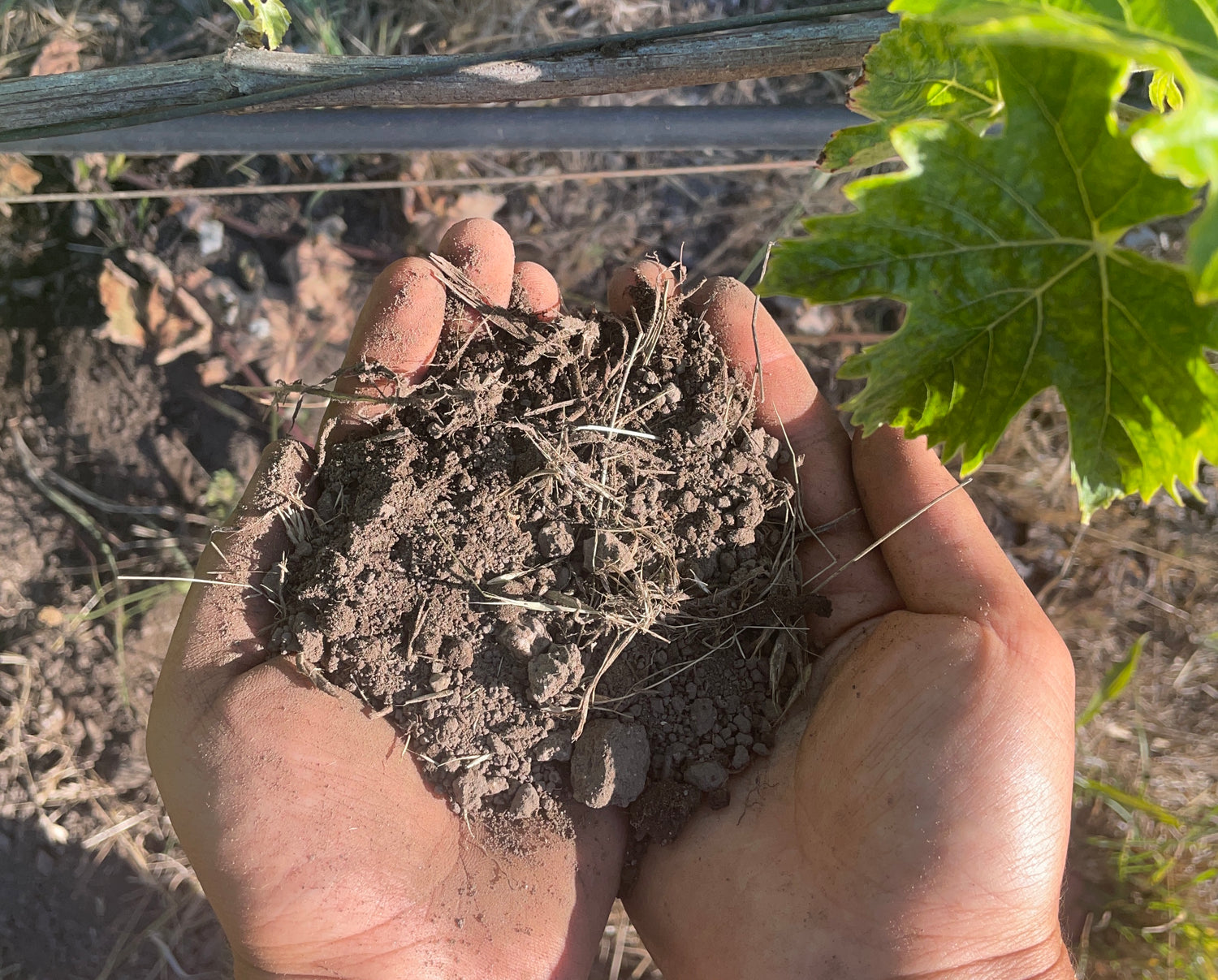
Spread elemental sulfur evenly over the entire planting area using a broadcast spreader or by hand. Incorporate the sulfur thoroughly into the top 6 to 8 inches of soil using a rototiller or spading fork. Thorough mixing ensures sulfur contacts moist soil where bacterial conversion can occur. Surface-applied sulfur without incorporation provides the same ultimate pH reduction but takes considerably longer to act.
Do not exceed application rates of 400 pounds of sulfur per acre, equivalent to approximately 1 pound per 100 square feet, in a single treatment to established plantings. For new sites requiring larger pH changes, split applications across multiple seasons, testing soil between treatments to monitor progress and avoid over-acidification. Excessive sulfur application can lower pH below the optimal range, creating new problems including nutrient imbalances and potential plant toxicity.
Monitoring pH Changes
Take another soil test three to four months after sulfur application to verify pH has reached the target range before planting. If pH remains above 5.5, apply additional sulfur at recommended rates and wait another three to six months before retesting. This incremental approach prevents overshooting the target pH and allows you to fine-tune acidity to the optimal range.
Understand that soil pH is not static. Irrigation water, fertilizers, and natural processes gradually raise pH over time, necessitating periodic sulfur applications even in established plantings. Plan to test soil every one to two years and apply maintenance sulfur as needed to keep pH within the 4.5 to 5.5 range. Annual applications of up to 0.7 pounds of sulfur per 100 square feet can maintain acidity in established plantings where pH tends to drift upward.
Incorporating Organic Matter
Organic matter serves multiple critical functions in blueberry soil preparation beyond acidification. High organic matter content improves soil structure, increases water-holding capacity, enhances nutrient retention, and creates conditions favorable for the specialized mycorrhizal fungi that colonize blueberry roots.
Types of Organic Materials
Sphagnum peat moss represents the traditional organic amendment for blueberries, with pH ranging from 4.3 to 4.8. Mixing peat into the planting area immediately creates an acidic environment in the shallow root zone where blueberries establish. However, environmental concerns about peat mining increasingly lead gardeners to seek alternatives.
Pine bark, particularly composted or aged pine bark fines, provides an excellent alternative to peat. Pine bark offers similar pH benefits, improves drainage in heavy soils, and comes from renewable forestry byproducts. Decomposed softwood sawdust, while having higher pH than peat, still improves soil structure and water-holding capacity. Avoid fresh sawdust which can temporarily immobilize soil nitrogen as it decomposes.
Other acidic organic materials suitable for blueberry plantings include composted oak or pine needles, shredded oak leaves, and aged hardwood sawdust. Each material breaks down at different rates, with bark and wood products persisting longer than leaves or peat.
Application and Incorporation
Apply 3 to 4 inches of organic material over the planting row in a band 18 to 24 inches wide. Incorporate this organic matter thoroughly into the top 6 to 8 inches of soil using a rototiller or spading fork, mixing it with native soil rather than creating a pure organic layer. Planting directly in unmixed organic material creates problems with water and nutrient management, often leading to weak plants that struggle or die.
For small plantings, prepare individual planting holes by removing native soil and mixing it with equal parts sphagnum peat moss or pine bark. Create planting holes approximately 2 feet in diameter and 12 inches deep, using this acidic soil mixture to backfill around plant roots. This localized approach works well for a few plants but proves impractical for larger plantings where row-wide bed preparation is more efficient.
If your soil has pH above 6.2 and you choose to plant only a few blueberries, consider using large containers of at least 25-gallon capacity buried in the garden. Cut drainage holes in the container bottom, bury it leaving 1 to 2 inches of rim above ground level, and fill with acidic planting mix containing 10 to 15 percent sphagnum peat moss by volume. This containerized approach isolates blueberry roots from alkaline native soil while providing adequate rooting volume.
Planting Blueberries
Proper planting technique establishes the foundation for long-term plant health and productivity. Even when soil pH and organic matter have been corrected, poor planting practices can doom blueberries to weak growth or death.
Timing
Plant bare-root or container-grown blueberries in late April or early May in northern regions, allowing plants to establish before summer heat. In southern regions, planting can occur from late February through late March depending on local climate. Avoid planting during periods of extreme heat or drought when plants face immediate stress.
Spacing
Space blueberry plants 3 to 5 feet apart for smaller varieties, or 6 to 8 feet apart for vigorous highbush cultivars. Allow 8 to 12 feet between rows to provide adequate air circulation, ease of harvest, and room for equipment if managing larger plantings. Proper spacing reduces disease pressure by improving air movement and allows each plant sufficient growing space to reach mature size without crowding.
Planting Depth
Dig planting holes large enough to accommodate all roots without crowding or bending. Set plants at the same depth they grew in nursery containers or slightly deeper to allow for settling. Cover the uppermost roots with 3 to 4 inches of soil. Planting too deep represents one of the most common causes of blueberry death, as buried stems struggle and eventually succumb to stem rot or suffocation.
Carefully spread roots in the planting hole and backfill with the amended soil mixture, firming it gently around roots to eliminate air pockets. Avoid compacting soil excessively, as blueberry roots need porous, well-aerated conditions. Water thoroughly immediately after planting to settle soil around roots and ensure good root-to-soil contact.
Initial Pruning
Remove one-half to two-thirds of top growth on bare-root plants at planting time, and approximately one-half on container-grown plants. Leave only 1 to 3 of the most vigorous upright shoots per plant. This severe pruning directs plant energy into root development rather than shoot growth during the critical establishment period.
Remove all flower buds that form during the first and second years after planting. Although it seems counterintuitive to remove potential fruit, preventing berry production in young plants allows vigorous root and shoot growth that dramatically increases yields in subsequent years. Blueberries that fruit too early develop into small, weak plants with permanently reduced productivity.
Mulching for Long-Term Success
Organic mulch serves essential functions in blueberry culture, helping maintain soil acidity, conserve moisture, moderate soil temperature, suppress weeds, and gradually increase organic matter content as it decomposes. Research demonstrates that mulched blueberry plants consistently produce larger yields compared to unmulched plants even when both receive equal irrigation.
Mulch Materials
Acidic organic mulches work best for blueberries. Pine needles, pine bark, aged sawdust from softwood lumber, shredded oak leaves, and wood chips all maintain low pH as they decompose. Apply mulch 3 to 6 inches deep in a band 3 to 4 feet wide centered on the plant row, or mulch the entire growing area in small home plantings.
Ensure soil is adequately moist before applying mulch, as dry mulch can wick moisture away from soil rather than conserving it. If using peat moss as surface mulch, wet it thoroughly before application to prevent it from acting as a desiccant that dries plant roots.
Mulch Maintenance
Replenish mulch annually as it decomposes, maintaining the 3 to 6 inch depth. Decomposing mulch adds organic matter to soil and creates favorable conditions for root growth, but it can expose shallow roots if not replaced. Keep mulch a few inches away from plant stems to prevent crown rot and reduce rodent habitat near the plant base.
Water Management
Blueberries have shallow root systems and require consistent moisture throughout the growing season. The plants grow best where the water table remains 14 to 22 inches below the soil surface, providing adequate drainage while keeping moisture within reach of roots.
Provide approximately 1 to 2 inches of water per week during the growing season, adjusting based on rainfall, temperature, and soil type. Drip irrigation or soaker hoses placed under mulch deliver water directly to the root zone while conserving moisture and keeping foliage dry. Overhead sprinklers work adequately but waste more water and promote foliar diseases.
Monitor soil moisture regularly by checking several inches below the surface. Soil should remain consistently moist but never waterlogged. Blueberries suffer from both drought stress and waterlogging, so balanced moisture management proves critical. During drought, inadequate water limits growth and fruit development. In waterlogged conditions, oxygen-starved roots die and plants succumb to Phytophthora root rot.
Fertilization Practices
Blueberries are easily damaged by excess fertilizer and require careful nutrient management based on soil test results and plant appearance. Avoid fertilizing during the first year after planting to prevent root burn and allow plants to establish without stress.
Beginning in the second year, apply 1 to 2 ounces of ammonium sulfate per plant at bloom time, with a second application three weeks later. Ammonium sulfate provides nitrogen in the ammonium form preferred by blueberries while simultaneously helping maintain soil acidity. Scatter fertilizer in a circular band 12 to 18 inches from the plant base rather than applying directly at the stem.
Increase the fertilizer rate by 1 ounce per plant each year until reaching 8 ounces total per mature plant in the sixth year. Maintain this 8-ounce annual rate for established plants. Fertilizers formulated for acid-loving plants such as azaleas and rhododendrons can substitute for ammonium sulfate, typically applied at twice the rate.
Complete fertilizers such as 10-6-4 or 10-10-10 can be used if growth remains weak despite proper pH. However, avoid fertilizers high in nitrate nitrogen or those containing chloride, as these forms are less suitable for blueberries. If potassium is needed based on soil tests, apply it as potassium sulfate rather than potassium chloride.
Never use aluminum sulfate as a soil acidifier despite its widespread marketing for this purpose. Aluminum can accumulate to toxic levels in blueberry tissue, particularly when applied repeatedly at high rates needed for pH reduction.
Long-Term pH Maintenance
Maintaining proper soil acidity requires ongoing attention even after initial acidification succeeds. Multiple factors gradually raise soil pH over time, necessitating periodic sulfur applications and monitoring.
Irrigation water often contains dissolved calcium carbonate that deposits in soil, slowly increasing pH. Some fertilizers, particularly those containing calcium or nitrate nitrogen, also raise pH. Natural processes including weathering of soil minerals and decomposition of organic matter can shift pH upward in some soils.
Test soil pH every one to two years in established blueberry plantings. If pH begins trending above 5.5, apply elemental sulfur at maintenance rates of up to 0.7 pounds per 100 square feet annually. For established plantings, sulfur can be surface-applied around plants without incorporation, though this approach takes longer to affect pH changes compared to incorporated applications.
Watch for symptoms of pH-related problems including interveinal chlorosis, poor shoot growth, reddish foliage in summer when it should be green, and general plant decline. These symptoms warrant immediate soil testing and corrective sulfur applications to restore proper acidity before plants suffer permanent damage.
Annual mulching with acidic materials such as pine needles, oak leaves, and pine bark helps buffer against pH increases while providing the other benefits of organic mulch. The combination of acidic mulch, ammonium sulfate fertilization, and periodic sulfur applications maintains the low pH environment blueberries require for long-term health and productivity.
Variety Selection and Pollination
Choose blueberry varieties adapted to your climate zone and resistant to local pests and diseases. Northern highbush varieties suit most regions with cold winters, while rabbiteye and Southern highbush types are bred for warmer climates with mild winters. Contact your local cooperative extension office for variety recommendations specific to your region.
Although most blueberry varieties are self-pollinating, cross-pollination between different varieties significantly increases berry size and total yield. Plant at least two different varieties that bloom at overlapping times to ensure adequate pollination. Select combinations of early, midseason, and late varieties to extend the harvest period throughout summer.
Common Challenges and Solutions
Iron chlorosis remains the most common symptom of incorrect soil pH in blueberries. When young leaves turn pale green to yellow with veins remaining green, test soil pH immediately. If pH exceeds 6.0, apply sulfur or iron sulfate to acidify soil. Temporary improvement can be achieved by applying iron chelate to soil or foliar spraying, but long-term correction requires lowering pH to the proper range.
Phytophthora root rot threatens blueberries in poorly drained sites or where plants are overwatered. Symptoms include wilting, yellowing, poor growth, and eventual plant death. Prevention through proper site selection, raised bed construction on marginal sites, and careful irrigation management proves more effective than treatment. Annual applications of phosphorous acid fungicides can help control Phytophthora in conjunction with improved drainage.
Birds represent a serious pest in blueberry plantings, often consuming ripe fruit before harvest. Netting provides the most effective control, either draped over individual plants or supported on frames covering entire rows. Apply netting as soon as first fruits begin turning blue and remove it after final harvest.
Conclusion
Successfully growing blueberries requires understanding and accommodating their specialized soil requirements. The acidic pH and high organic matter conditions blueberries demand differ dramatically from those supporting most garden crops, but these requirements can be met through systematic soil preparation.
Soil testing forms the foundation of successful blueberry culture by revealing current conditions and guiding amendment applications. Elemental sulfur applied six months to one year before planting effectively lowers pH to the 4.5 to 5.5 range required by blueberries, while organic matter incorporation improves soil structure and creates conditions favorable for root growth. Ongoing pH monitoring and maintenance through periodic sulfur applications, acidic mulching, and appropriate fertilization keep established plantings productive for decades.
The effort invested in proper soil preparation and pH management pays dividends in healthy plants, abundant harvests, and the satisfaction of growing one of North America's most valuable and delicious native fruits. By following research-based recommendations from university extension programs and maintaining proper soil acidity, home gardeners can enjoy successful blueberry production even on sites with initially unsuitable soil conditions.
Sources
- Extension.org Blueberries. Soil pH for Blueberry Plantings. https://blueberries.extension.org/soil-ph-for-blueberry-plantings/
- University of Minnesota Extension. Growing Blueberries in the Home Garden. https://extension.umn.edu/fruit/growing-blueberries-home-garden
- Michigan State University Extension. Soil Test Before You Plant Blueberries. https://www.canr.msu.edu/news/soil_test_before_you_plant_blueberries
- Michigan State University Extension. Lowering the Soil pH with Sulfur. https://www.canr.msu.edu/uploads/files/Lowering_Soil_pH_with_Sulfur.pdf
- University of Illinois Extension. Growing and Caring for Blueberries. https://extension.illinois.edu/small-fruits/growing-and-caring-blueberries
- Ohio State University Extension. Growing Blueberries in the Home Garden. https://ohioline.osu.edu/factsheet/HYG-1422
- West Virginia University Extension. Growing Blueberries for Beginners. https://extension.wvu.edu/lawn-gardening-pests/gardening/gardening-101/growing-blueberries-for-beginners
- North Carolina State Extension. Growing Blueberries in the Home Garden. https://content.ces.ncsu.edu/growing-blueberries-in-the-home-garden
- Penn State Extension. Keys to Establishing a Successful Blueberry Planting. https://extension.psu.edu/keys-to-establishing-a-successful-blueberry-planting
- University of Maryland Extension. Growing Blueberries in a Home Garden. https://extension.umd.edu/resource/growing-blueberries-home-garden
- Mississippi State University Extension. Establishment and Maintenance of Blueberries. https://extension.msstate.edu/publications/establishment-and-maintenance-blueberries
- University of New Hampshire Extension. Growing Fruit: Highbush Blueberries. https://extension.unh.edu/resource/growing-fruit-highbush-blueberries-fact-sheet
- University of Maine Cooperative Extension. Soil pH Management. https://extension.umaine.edu/blueberries/factsheets/management/254-cultural-management-ph/
- Oregon State University Extension. Acidifying Soil for Blueberries and Ornamental Plants. https://extension.oregonstate.edu/sites/extd8/files/documents/ec1560.pdf