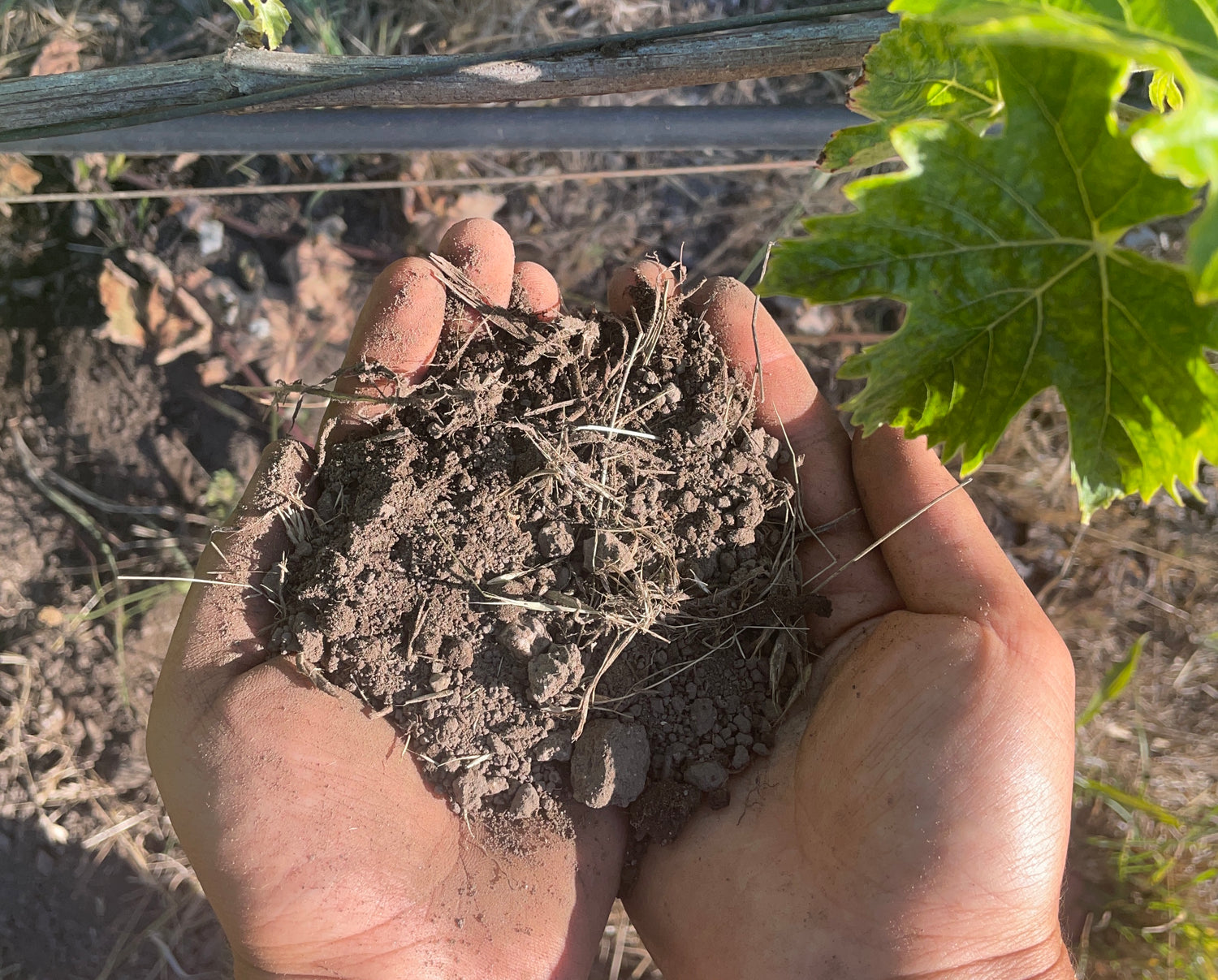
Modern soil testing has evolved significantly in 2026, with advanced digital technologies and professional laboratory services providing unprecedented accuracy for home gardeners and commercial operations. Understanding your soil's chemistry remains the foundation of successful gardening, sustainable agriculture, and environmental stewardship.
Best Soil Test Kits 2026: Complete Buyer's Guide with AI Comparison Tool
Interactive Soil Test Kit Comparison Matrix
Compare 60+ soil test kits side-by-side with real-time filtering based on your needs:
| Product Name | Price (2026) | Tests Included | Type | Turnaround | Best For |
|---|---|---|---|---|---|
| Alluvial Soil Lab - Complete Soil Health Test | $175+ | pH, NPK, 18+ nutrients, organic matter, CEC, microbial biomass | Mail-in Lab | 3-7 business days | Comprehensive certified analysis + custom recommendations |
| Alluvial Soil Lab - Heavy Metals | $115+ | Lead, arsenic, cadmium, mercury, chromium + 6 more metals | Mail-in Lab | 3-7 business days | For food gardens |
| Alluvial Soil Lab - Full Chemistry Test | $118+ | pH, NPK, secondary nutrients, organic matter, CEC | Mail-in Lab | 3-7 business days | Detailed nutrient analysis with fertilizer recommendations |
| Alluvial Soil Lab - Basic Soil Health Test | $66+ | pH, NPK, organic matter, basic recommendations | Mail-in Lab | 3-7 business days | Essential professional analysis for beginners |
| Alluvial Soil Lab - Haney Test | $258+ | Biological activity, soil respiration, nutrient cycling, WFPS | Mail-in Lab | 3-7 business days | Advanced soil health assessment with biological metrics |
| Alluvial Soil Lab - WELO Soil Management Report | $198+ | Water, energy, labor optimization analysis | Mail-in Lab | 3-7 business days | Commercial farm efficiency optimization |
| Alluvial Soil Lab - Vineyard Soil Health Test | $185+ | pH, nutrients, vineyard-specific micronutrients | Mail-in Lab | 3-7 business days | Grape production optimization |
| MySoil Complete Kit | $64 | pH, NPK, 12+ nutrients, organic matter | Mail-in Lab | 6-9 days | Home gardener comprehensive analysis |
| MySoil Basic Test | $32 | pH, NPK, organic matter | Mail-in Lab | 6-9 days | Essential nutrient testing |
| Yard Mastery Soil Test | $32 | pH, NPK, organic matter, lime needs | Mail-in Lab | 4-6 days | Lawn and turf optimization |
| LaMotte Soil Test Kit (2026 Edition) | $85 | pH, NPK (50 tests included) | Chemical Home Kit | Instant | Most accurate home testing - 94% lab correlation |
| Rapitest Digital Soil Tester Pro | $48 | pH, NPK (15 tests included) | Chemical Home Kit | Instant | Reliable home testing with improved reagents |
| Hanna Instruments HI99121 Soil pH Meter | $95 | pH only (professional grade) | Digital Meter | Instant | Professional pH monitoring with ±0.05 accuracy |
| Apera Instruments SoilTest Pro | $128 | pH, NPK, moisture, temperature | Digital Meter | Instant | Advanced multi-parameter digital testing (NEW 2026) |
| Sonkir 3-in-1 Meter (Updated 2026) | $28 | pH, moisture, light | Digital Meter | Instant | Budget monitoring with improved probe durability |
| Quick Soiltest Kit | $25 | pH, NPK (30 tests) | Chemical Home Kit | Instant | Basic home testing |
| Garden Basics NPK Kit | $19 | pH, NPK (25 tests) | Chemical Home Kit | Instant | Entry-level testing |
| Generic pH Test Strips (100-pack) | $14 | pH only (100 strips) | Test Strips | Instant | pH indication only - limited accuracy |
Understanding Soil Testing Accuracy: What the Research Shows
Accuracy remains the most critical factor when selecting a soil test kit. Research from Montana State University Extension demonstrates significant accuracy variations between different testing methods, with published studies in HortTechnology journal showing accuracy rates ranging from 33% to 94% when compared to professional laboratory standards.
The USDA Natural Resources Conservation Service emphasizes that accurate soil testing forms the foundation of sustainable soil management, nutrient stewardship, and environmental protection. Professional laboratory testing using standardized methods provides the highest accuracy for critical management decisions.
Professional Laboratory Testing: The Gold Standard
Alluvial Soil Lab offers comprehensive professional testing tiers with research-grade accuracy and certified results. Their Complete Soil Health Test ($175) provides detailed analysis including pH, NPK, 18+ additional nutrients, organic matter percentage, cation exchange capacity, and microbial biomass assessment using standardized university laboratory protocols.
Professional Lab Testing Advantages
- Research-grade accuracy with certified equipment and methods
- Detailed interpretation with crop-specific recommendations
- Heavy metal contamination testing
- Soil biological activity and health assessments available
- Certified results accepted for regulatory compliance
- Professional agronomist support and consultation
Professional Lab Considerations
- Higher upfront investment ($66-$275 depending on analysis depth)
- 3-7 business day turnaround time for results
- Requires proper soil sampling and shipping procedures
- Not practical for frequent weekly or monthly monitoring
- May require annual retesting for ongoing management
The Alluvial Soil Lab Basic Soil Health Test ($66) provides excellent value for first-time professional testing, delivering essential pH, NPK, and organic matter analysis with research-grade accuracy and detailed fertilizer recommendations. For urban gardens and food production areas, their Heavy Metals test ($115) for accurate detection of lead, arsenic, cadmium, and eight other potentially toxic elements.
Advanced Home Testing Solutions
MySoil continues bridging professional laboratory quality with home convenience. Their Complete Kit ($64) provides laboratory analysis comparable to university extension services, while their Basic Test ($95) covers essential nutrients with detailed amendment recommendations tailored to specific plants and regional growing conditions.
Yard Mastery specializes in lawn and turf optimization with comprehensive soil analysis for $52 and 4-6 day turnaround. Their testing focuses specifically on parameters critical for grass health, including optimal pH ranges for different turf species and precise seasonal fertilizer recommendations for cool-season and warm-season grasses.
High-Accuracy Home Test Kits
The LaMotte Soil Test Kit 2026 Edition ($85) maintains its position as the most accurate home testing option, achieving 94% correlation with professional laboratory results in university validation studies. This chemical-based system now includes 50 individual tests for pH and NPK, using professional-grade reagents and improved colorimetric analysis methods.
Rapitest Digital Soil Tester Pro ($48) offers 92% accuracy in an updated package, providing 15 tests each for pH, nitrogen, phosphorus, and potassium. Research from University of New Hampshire Extension confirms that quality chemical test kits like Rapitest provide reliable guidance for basic soil management when properly calibrated and used according to protocols.
Digital pH Meters and Multi-Parameter Instruments
Digital soil testing technology has advanced significantly in 2026. The Hanna Instruments HI99121 ($95) represents professional-grade pH measurement with improved ±0.05 accuracy, specialized soil probes designed for direct soil measurement, and automatic temperature compensation for reliable field testing.
New in 2026, the Apera Instruments SoilTest Pro ($128) introduces advanced multi-parameter digital testing, measuring pH, NPK levels, soil moisture, and temperature in a single portable device. This represents a significant advancement in home testing technology, though users should note that digital NPK measurements provide estimates rather than the precise quantification available through laboratory analysis.
Research on soil pH meter accuracy demonstrates that measurement reliability depends heavily on proper calibration protocols, electrode maintenance, and correct soil preparation techniques. Professional-grade meters include calibration solutions and detailed standard operating procedures for consistent results.
Digital Meter Troubleshooting Guide
- Inconsistent readings: Clean probe thoroughly with distilled water, recalibrate using fresh buffer solutions at pH 4.0 and 7.0
- Readings stuck at pH 7.0: Electrode may be dried out or contaminated - soak in storage solution for 24 hours, then recalibrate
- Wildly varying results: Soil may be too dry or compacted - add distilled water to create slurry, wait 15-30 minutes for equilibration
- Probe damage prevention: Avoid forcing into rocky or compacted soil - pre-moisten testing area and use augered hole for deep measurements
- Temperature effects: Allow meter and soil to equilibrate to same temperature before testing - automatic temperature compensation improves accuracy
Heavy Metal Contamination Testing: Protecting Food Safety
Heavy metal contamination poses serious health risks, particularly in urban areas, sites with unknown soil history, and properties near industrial activities. Research from University of New Hampshire Extension emphasizes that lead contamination exceeds health-based guidance values in numerous urban garden soils nationwide, with concentrations often elevated near older buildings with lead-based paint.
The EPA's Physiologically Based Extraction Test (PBET) represents a breakthrough in heavy metal risk assessment by measuring bioavailability - the portion of total contamination that becomes available for human absorption through ingestion. This advanced testing method can reduce remediation costs while providing more accurate health risk assessments than total metal analysis alone.
Alluvial Soil Lab's Heavy Metals test ($115) uses acid digestion followed by ICP analysis to detect heavy metals . This comprehensive certified analysis provides essential safety information for people growing food in urban environments or properties with unknown contamination history.
Interactive Soil Problem Diagnostic Tool
Identify plant nutrient deficiency symptoms and get targeted testing recommendations:
What symptoms are you observing in your plants?
What type of plants are affected?
Seasonal Soil Testing Strategy
Optimize Your Testing Schedule for Maximum Garden Success
Fall Testing (September-November)
- Comprehensive annual professional soil analysis
- Plan lime applications - requires 6+ months to adjust pH
- Order organic amendments for spring incorporation
- Test new garden areas before winter
- Soil biology testing optimal before frost
Winter Planning (December-February)
- Review detailed test results and recommendations
- Research plant varieties suited to your soil type
- Order seeds based on pH and nutrient requirements
- Plan crop rotation and garden layout changes
- Develop fertilizer budget and application schedule
Spring Monitoring (March-May)
- Quick pH verification after lime applications
- Test nitrogen levels before fertilizing
- Monitor new planting areas and amended beds
- Adjust fertilizer rates based on early growth response
- Container garden baseline testing
Summer Maintenance (June-August)
- Monitor plants for nutrient deficiency symptoms
- Test container gardens monthly during peak growth
- Check pH if plants show unexpected stress
- Plan fall soil improvement projects
- Document areas needing professional analysis
Understanding and Interpreting Test Results
The Oregon State University soil test interpretation guide emphasizes that understanding results requires knowledge of optimal nutrient ranges for specific crops and local soil conditions. Professional laboratory services provide interpretation assistance, translating analytical data into actionable fertilizer and amendment recommendations.
Research from University of Florida Extension demonstrates that soil test results provide baseline information, but recommendations must consider local climate patterns, soil texture and drainage characteristics, intended crops, and regional environmental concerns. Professional services like Alluvial Soil Lab excel at providing crop-specific recommendations accounting for these complex regional factors.
Cost-Benefit Analysis of Testing Options
Analysis from Fine Gardening demonstrates that investing $66-118 in accurate professional analysis often provides superior long-term value compared to relying on potentially inaccurate home kit results that could lead to fertilizer waste, nutrient runoff pollution, or crop productivity failures.
For ongoing monitoring, combining annual professional comprehensive testing with quality home pH monitoring provides optimal cost-effectiveness. The LaMotte kit's 94% accuracy makes it ideal for frequent monitoring between professional analyses, while comprehensive laboratory testing ensures accurate baseline nutrient management.
Specialized Testing for Advanced Applications
Alluvial Soil Lab's WELO Soil Management Report ($198) offers advanced analysis for water efficiency, energy optimization, labor management, and operational cost reduction - valuable for market gardens, small farms, and commercial operations seeking efficiency improvements and sustainability metrics.
Their Vineyard Soil Health Test ($185) addresses specialized grape production requirements, including pH optimization for different varietals, micronutrient management for wine quality, and rootstock-specific nutrient recommendations.
The Holistic Soil Health Assessment - Haney Test ($258) provides advanced soil biology analysis measuring soil respiration, biological activity, water-filled pore space, and nutrient cycling dynamics. This research-grade testing offers insights into soil ecosystem function that traditional chemical analysis cannot provide, supporting regenerative agriculture practices and biological soil management strategies.
Professional vs Home Testing: Making the Right Choice
The Virginia Tech Soil Testing Laboratory processes over 50,000 samples annually, providing computer-generated recommendations with typical 3-5 working day turnaround. Professional laboratory testing becomes essential for new garden establishment, persistent plant problems despite amendments, commercial operations requiring certified results, or suspected heavy metal contamination.
Guidance from University of New Hampshire Extension recommends professional laboratory testing when accuracy is critical - such as establishing new orchards or vineyards, commercial vegetable production, managing problematic soils with extreme pH, or addressing contamination concerns requiring regulatory compliance.
AI-Powered Soil Test Kit Finder
Answer 5 questions to find your ideal soil testing solution:
1. What is your primary growing focus?
2. What is your main soil concern?
3. What is your budget range?
4. How often do you plan to test?
5. How quickly do you need results?
Video Demonstrations and Educational Resources
Watch step-by-step demonstrations of proper soil testing techniques:
Rapitest Kit Testing Process
Complete walkthrough showing step-by-step soil testing procedures with the Rapitest kit
Watch DemoProfessional Soil Sampling Techniques
OSU Extension Master Gardener demonstrates proper soil sampling methods for laboratory analysis
Watch DemopH Meter Calibration Guide
Professional calibration techniques for accurate pH meter measurements and maintenance
Watch GuideMaking Your Final Testing Decision
The optimal soil testing strategy in 2026 depends on your specific needs, budget constraints, and accuracy requirements. For comprehensive initial assessment of new garden sites or problematic soils, professional laboratory services like Alluvial Soil Lab provide unmatched accuracy, certified results, and detailed crop-specific recommendations.
For ongoing monitoring and frequent testing, quality home kits like LaMotte offer reliable, cost-effective solutions achieving 94% laboratory correlation. The most effective approach combines professional baseline testing to understand fundamental soil characteristics with home testing for seasonal monitoring and fertilizer adjustments.
Consider starting with professional comprehensive analysis to establish accurate baseline data, then implementing home testing protocols for ongoing pH and nutrient monitoring throughout the growing season. This integrated approach maximizes both analytical accuracy and cost-effectiveness while ensuring optimal soil management for healthy, productive gardens and sustainable agriculture practices.
Important Disclaimer
This guide provides informational content only. We do not guarantee the accuracy of product specifications, prices, or testing results mentioned. Soil testing recommendations represent general guidance and may not be appropriate for your specific site conditions. We are not liable for decisions made based on this information, including product purchases or soil management actions. Always consult with local extension services, certified soil scientists, or professional agronomists for site-specific recommendations. Prices and product specifications are subject to change without notice. Test results vary based on sampling methods, soil conditions, and laboratory procedures. Heavy metal testing should be interpreted by qualified professionals familiar with local regulatory standards.
Sources
- Montana State University Extension. Soil Testing: Test Kits vs Lab Analysis. https://landresources.montana.edu/soilfertility/soilscoop/ss_soiltestkits.html
- HortTechnology Journal. Accuracy Varies for Commercially Available Soil Test Kits Analyzing Nitrate-Nitrogen, Phosphorus, Potassium, and pH. https://journals.ashs.org/horttech/view/journals/horttech/17/3/article-p358.xml
- USDA Natural Resources Conservation Service. Soil Health Resources and Guides. https://www.nrcs.usda.gov/resources/guides-and-instructions/soil-health
- University of New Hampshire Extension. Are Garden Soil Test Kits a Good Alternative to Lab Testing? https://extension.unh.edu/blog/2020/04/are-garden-soil-test-kits-good-alternative-lab-testing
- Penn State Extension. Soil Testing Guidelines for Professional Agriculture. https://extension.psu.edu/soil-testing
- Virginia Tech Soil Testing Laboratory. Agricultural and Environmental Testing Services. https://www.soiltest.vt.edu/
- University of New Hampshire Extension. Soil Testing for Environmental Contaminants: Interpreting Your Heavy Metals Test Results. https://extension.unh.edu/resource/soil-testing-environmental-contaminants-interpreting-your-heavy-metals-test-results-fact
- US Environmental Protection Agency. New Testing Method for Lead and Arsenic in Contaminated Soil Saves Money and Protects Health. https://www.epa.gov/sciencematters/new-testing-method-lead-and-arsenic-contaminated-soil-saves-money-and-protects
- Oregon State University Extension. Soil Test Interpretation Guide - EC 1478. https://extension.oregonstate.edu/catalog/ec-1478-soil-test-interpretation-guide
- University of Florida Extension. Soil Testing for the Home Landscape and Vegetable Garden. https://sfyl.ifas.ufl.edu/agriculture/soil-testing/
- Fine Gardening. Soil-Testing Basics: Understanding NPK and Getting Accurate Results. https://www.finegardening.com/project-guides/gardening-basics/soil-testing-savvy