Soil pH is one of the most critical factors determining whether your garden thrives or struggles, influencing everything from nutrient availability to microbial activity. Understanding the chemistry of acidic versus alkaline soil empowers gardeners and farmers to make informed decisions about soil amendments, plant selection, and long-term soil health management.
How does pH impact plants?
Soil pH determines nutrient availability by controlling the chemical forms and solubility of essential elements, with most plants thriving in the slightly acidic range of pH 6.0 to 7.0 where major nutrients remain readily accessible to plant roots.
Understanding the pH Scale and What It Means for Your Soil
Soil pH measures the concentration of hydrogen ions in the soil solution, expressed on a scale from 0 to 14. A pH of 7.0 represents neutral conditions, values below 7.0 indicate acidic soil, and values above 7.0 signify alkaline soil. The pH scale is logarithmic, meaning each whole number represents a tenfold change in acidity. A soil with pH 6.0 is ten times more acidic than soil at pH 7.0, and one hundred times more acidic than soil at pH 8.0.
Regional geology and climate strongly influence natural soil pH patterns. In humid climates with high precipitation, soils tend toward acidity as rainwater leaches away calcium, magnesium, and potassium ions while increasing active hydrogen and aluminum. Conversely, in arid and semi-arid regions where limited water movement occurs through the soil profile, calcium-rich parent materials weather to create naturally alkaline conditions.
Human activities also affect soil pH over time. The application of nitrogen fertilizers, particularly ammonium-based products, gradually acidifies soil through the formation of nitric and sulfuric acids. Organic amendments including compost and manure can similarly lower pH, while repeated liming applications or the use of alkaline irrigation water may raise pH beyond optimal ranges for certain crops.
How pH Controls Nutrient Availability
The relationship between soil pH and nutrient availability is one of the most important concepts in soil fertility management. Soil pH does not change the total quantity of nutrients present in soil, but it dramatically affects their chemical forms and accessibility to plant roots. The availability of nutrients depends on both their solubility in soil solution and the ability of plant roots to take them up.
In the optimal pH range between 6.0 and 7.0, most essential plant nutrients exist in forms that dissolve readily in soil water and can be absorbed by plant roots. Nitrogen, phosphorus, potassium, calcium, magnesium, and sulfur all maintain good availability within this range. When pH drops below 5.5 or rises above 7.5, nutrient availability becomes increasingly problematic.
Nutrient Behavior in Acidic Soils
In highly acidic soils with pH below 5.0, several concerning conditions develop. Aluminum, iron, manganese, zinc, and copper become highly soluble and may reach concentrations toxic to many plants. Aluminum is not a plant nutrient and enters roots passively through osmosis. At pH 4.0, aluminum solubility increases one thousand times compared to pH 5.0, and this excess aluminum precipitates with phosphorus, making phosphorus unavailable to plants even when abundant in the soil.
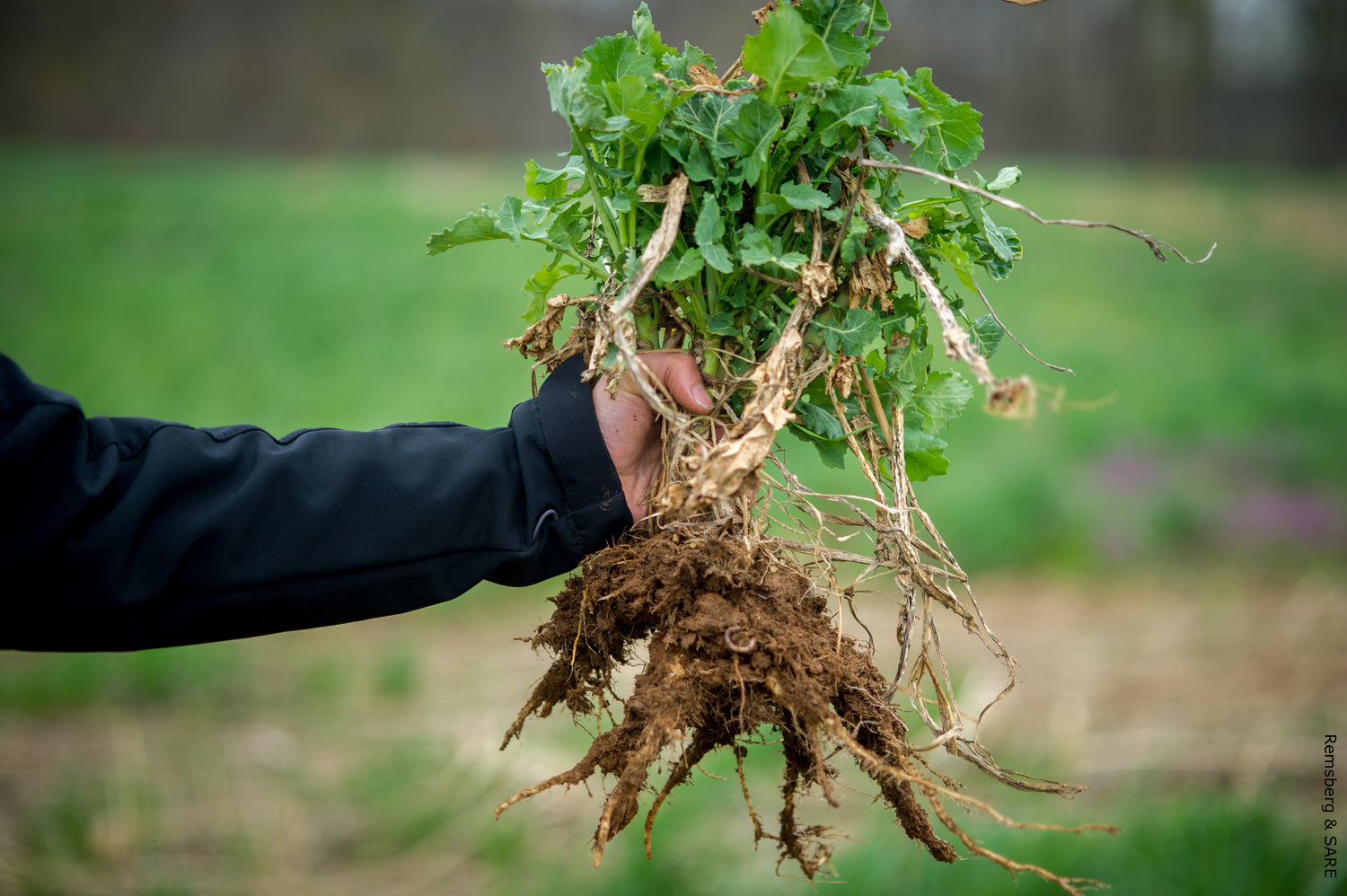
Aluminum toxicity manifests through inhibited root growth, with lateral roots and root tips becoming thickened and lacking fine branching. Root tips may turn brown, and the damaged roots cannot effectively absorb water or nutrients. This creates secondary deficiencies of calcium, magnesium, and phosphorus even when these nutrients exist in adequate quantities in the soil. The combination of direct aluminum toxicity and nutrient deficiencies severely limits plant growth in extremely acidic conditions.
Phosphorus availability presents particular challenges in acidic soils. Below pH 5.5, phosphorus reacts with iron and aluminum to form insoluble compounds that plants cannot access. This occurs despite phosphorus being present, because the low pH causes it to bind tightly to soil particles rather than dissolving in soil solution where roots can absorb it.
Nutrient Behavior in Alkaline Soils
Alkaline soils above pH 7.5 create different but equally serious nutrient problems. Phosphorus, iron, manganese, zinc, copper, and boron all decline in availability as pH rises. These micronutrients become increasingly bound to soil particles and unavailable for plant uptake. The decreased availability occurs because alkaline conditions cause these elements to form insoluble compounds or become tightly sorbed to clay and organic matter surfaces.
Iron deficiency is particularly problematic in alkaline soils, frequently causing chlorosis where leaves turn pale green or yellow due to insufficient chlorophyll production. This condition commonly affects trees, shrubs, and many ornamental plants growing in soils with pH above 7.4. The iron exists in the soil but in chemical forms that plants cannot absorb. Similarly, zinc, manganese, and copper deficiencies may limit crop production in alkaline conditions even when soil tests show adequate total concentrations of these nutrients.
In calcareous soils containing free calcium carbonate, pH may range from 7.0 to 9.5. When sodium dominates the exchangeable cations rather than calcium, pH can exceed 8.5. High exchangeable sodium causes additional problems beyond pH effects, deteriorating soil physical properties and creating difficult growing conditions that require specialized management approaches.
The Optimal pH Range for Different Plants
Most garden vegetables, annual flowers, and many perennial ornamentals perform best in slightly acidic to neutral soil with pH between 6.0 and 7.0. Within this range, essential nutrients remain readily available while toxic elements like aluminum stay bound in insoluble forms. Soil microorganisms that decompose organic matter and cycle nutrients also function most actively at pH 6.0 to 7.5.
However, numerous plants have evolved to thrive under more extreme pH conditions. These specialized preferences reflect adaptations to specific soil types in their native habitats. Understanding these requirements helps gardeners select appropriate plants for their site conditions or guides necessary soil amendments.
Acid-Loving Plants
Several popular garden plants require strongly acidic soil to thrive. Blueberries grow best in soil with pH between 4.5 and 5.5, though some sources indicate tolerance to pH as low as 4.0. At these acidic levels, blueberries efficiently access iron and other micronutrients that become unavailable at higher pH. Attempting to grow blueberries in neutral or alkaline soil results in poor growth, yellowing leaves, and minimal fruit production regardless of fertilizer applications.
Azaleas and rhododendrons prefer pH between 4.5 and 6.0, with optimal growth occurring around pH 5.0 to 5.5. These ericaceous plants have adapted mechanisms to tolerate elevated aluminum levels and efficiently extract nutrients from acidic conditions. In soils with pH above 6.5, these plants develop iron chlorosis and other nutrient deficiencies that limit their vigor and flowering.
Other acid-loving plants include cranberries, heathers, camellias, mountain laurel, pieris, and many coniferous evergreens including pines, spruces, and firs. These species tolerate or prefer pH levels between 4.5 and 6.0 where most other plants would struggle with aluminum toxicity and nutrient imbalances.
Plants for Neutral to Alkaline Soils
Many landscape plants adapt well to neutral or slightly alkaline conditions. Roses thrive at pH 6.5 to 7.0, while most lawn grasses prefer pH 5.5 to 6.5. Vegetables generally favor slightly acidic to neutral soil with pH 6.0 to 7.0, though specific crops have individual preferences. Potatoes grow well in more acidic conditions with pH 4.8 to 6.0.
Some plants specifically prefer alkaline soils, including clematis, forsythia, lilacs, and certain native plants adapted to limestone-derived soils. However, most cultivated garden plants perform poorly when pH exceeds 7.5 due to micronutrient deficiencies, particularly iron, manganese, and zinc limitations.
Testing Your Soil pH
Regular soil testing provides essential information for effective soil management. Testing every 2 to 3 years allows gardeners to monitor pH trends and make timely adjustments before plants show deficiency symptoms. More frequent testing benefits sandy soils that change pH more quickly than clayey soils, and areas where pH amendments have been recently applied.
Professional Testing Methods
County Cooperative Extension offices and commercial laboratories offer comprehensive soil testing services. Professional tests provide accurate pH measurements along with recommendations for lime or sulfur amendments tailored to specific crops and local soil conditions. Sample collection involves taking multiple subsamples from 4 to 6 inches deep in representative areas, mixing thoroughly, and submitting approximately one cup of dried soil with completed forms. Results typically return within one to two weeks and cost between ten and twenty dollars per sample.
Laboratory analysis uses standardized methods that measure pH in a soil-water slurry and may include buffer pH testing to determine the soil's resistance to pH change. This buffering capacity information helps calculate appropriate amendment rates. Clayey soils and soils high in organic matter have greater buffering capacity and require more lime to achieve the same pH increase compared to sandy soils with lower buffering capacity.
Home Testing Options
Several reliable methods allow gardeners to test pH at home. Chemical test kits available at garden centers use color-changing reagents that indicate pH when mixed with soil samples. These kits cost approximately twelve to twenty dollars and provide reasonably accurate results within one pH unit. Digital pH meters offer more precise readings displayed as specific numbers rather than color comparisons. Quality digital meters range from twenty to one hundred dollars and require periodic calibration with buffer solutions.
pH test strips or litmus paper provide another simple testing method. After mixing soil with distilled water and allowing it to settle, the strips change color when dipped in the liquid, which is then compared to a reference chart. This method costs approximately twelve dollars for one hundred strips and gives ballpark pH measurements sufficient for general garden management.
DIY Vinegar and Baking Soda Test
A quick screening test using common household items can indicate whether soil is acidic or alkaline. Place two tablespoons of soil in separate containers. Add one-half cup white vinegar to one sample and observe for fizzing. If the vinegar causes bubbling, the soil is alkaline with pH between 7 and 8. Add distilled water to the second sample to create a muddy consistency, then add one-half cup baking soda. If this mixture fizzes, the soil is acidic with pH likely between 5 and 6. No reaction in either test suggests neutral pH around 7.
While this method provides only rough estimates and cannot distinguish between moderately and extremely acidic or alkaline conditions, it offers a useful preliminary assessment before investing in more precise testing methods or making major soil amendments.
Adjusting Soil pH: Practical Strategies
Modifying soil pH requires patience and ongoing management, particularly in soils that strongly resist change. The most sustainable approach involves selecting plants naturally suited to existing site conditions. However, when pH adjustment is necessary for desired crops, several amendment options are available.
Raising pH in Acidic Soils
Agricultural limestone is the standard material for neutralizing acidic soils. Powdered or pelleted lime contains calcium carbonate that reacts with soil acids in a two-step process. Calcium from the lime replaces hydrogen and aluminum ions on clay surfaces, then these displaced acids react with carbonate to form water and carbon dioxide. Most liming materials have a calcium carbonate equivalence around 90 percent of pure calcium carbonate.
Application rates depend on current pH, desired target pH, and soil buffering capacity. Generally, 5 to 10 pounds of lime per 100 square feet raises pH by approximately one unit in typical garden soils, though sandy soils require less and clayey soils need more. Lime works best when incorporated into the top 6 inches of soil before planting. For established plantings, broadcast lime on the surface and water thoroughly. Lime reacts slowly and may take several months to achieve full effect, so fall application allows time for pH adjustment before spring planting.
Wood ashes from untreated wood provide an alternative liming material containing 3 to 7 percent potassium in addition to calcium. However, ashes require application at twice the rate of agricultural lime to achieve equivalent pH increase. Avoid applying more than 10 pounds of wood ash per 100 square feet, and never combine wood ash and lime applications as this may raise pH excessively. Dried and ground eggshells offer another option, working more slowly than limestone but providing long-lasting effects.
Lowering pH in Alkaline Soils
Acidifying alkaline soil presents greater challenges and expense than raising pH in acidic soils. The amendments most commonly used are elemental sulfur and aluminum sulfate. Elemental sulfur requires soil bacteria to convert it to sulfuric acid, a process that takes weeks to months depending on soil temperature, moisture, and microbial activity. Despite this slow response, sulfur remains the preferred long-term acidification material.
For garden applications, apply elemental sulfur at approximately 1 to 2 pounds per 100 square feet to lower pH by one unit, though exact rates vary with soil type and buffering capacity. Sandy soils require half the application rates of heavier soils. Incorporate sulfur into the top 4 to 6 inches when possible, and water thoroughly after application. Spring application takes advantage of warmer temperatures that speed bacterial conversion of sulfur to sulfuric acid.
Aluminum sulfate acts more quickly because the aluminum immediately changes pH upon dissolving, without requiring bacterial transformation. However, excess aluminum can reach toxic concentrations, so conservative application rates are essential. Use aluminum sulfate at approximately 3 to 4 times the weight of elemental sulfur to achieve equivalent acidification. This material works well for quick pH adjustment but should be used cautiously to avoid aluminum toxicity.
For established acid-loving plants in alkaline soils, consider top-dressing with acidic organic mulches including pine needles, chopped oak leaves, or composted pine bark. While these materials work slowly, they gradually lower pH and improve soil structure. Ammonium sulfate fertilizers also acidify soil over time through nitrification processes, though their primary purpose is nutrient supply rather than pH management.
Managing Soil with Extreme pH
Soils with pH below 4.5 or above 8.5 present significant challenges that may not be economically feasible to correct through amendments alone. In strongly alkaline soils with high lime content or elevated sodium levels, attempting acidification often proves impractical and delivers negative economic returns. Alternative strategies become more effective, including growing acid-loving plants in raised beds with imported soil, using chelated micronutrient products to supply iron and other elements directly, and selecting plants naturally tolerant of alkaline conditions.
Similarly, extremely acidic soils may require such large lime applications that gradual correction over multiple years becomes necessary. Growing acid-tolerant crops or green manure cover crops that tolerate low pH while building organic matter content can improve conditions incrementally while waiting for lime applications to take full effect.
The Role of Organic Matter in pH Management
Incorporating organic matter provides multiple benefits for soil health while helping buffer against extreme pH fluctuations. Compost, well-rotted manure, and other organic amendments generally have pH near neutral and moderate both acidic and alkaline conditions toward this middle range. Organic matter increases cation exchange capacity, improving the soil's ability to retain nutrients against leaching while providing more sites for chemical reactions that release nutrients to plants.
Decomposing organic materials support diverse microbial communities that enhance nutrient cycling and help convert nutrients into plant-available forms. In acidic soils, organic matter can help alleviate aluminum toxicity by forming complexes with aluminum that prevent it from entering plant roots. The improved soil structure from organic matter additions also enhances root growth, helping plants access nutrients more effectively even under suboptimal pH conditions.
For long-term soil health, regular organic matter additions of 1 to 2 inches of compost worked into the top 6 inches of soil annually creates favorable conditions for most plants. This practice gradually improves pH stability, nutrient availability, water-holding capacity, and overall soil biological activity.
Monitoring and Maintenance
Soil pH is not static but changes over time in response to rainfall, fertilizer applications, crop removal of nutrients, and natural weathering processes. In humid climates, soils naturally trend toward increasing acidity as bases leach from the soil profile. Fertilizers containing ammonium forms of nitrogen accelerate acidification through nitrification reactions that produce hydrogen ions.
Establishing a regular testing schedule every 2 to 3 years allows gardeners to track pH trends and apply corrective amendments before plant symptoms develop. Testing in fall provides time to incorporate amendments before spring planting. For high-value crops with specific pH requirements, more frequent testing at 6-month intervals ensures optimal conditions are maintained.
When applying pH amendments, start with conservative rates and retest after 3 to 6 months to evaluate effectiveness. Soil pH changes slowly, and overapplication creates more serious problems than underapplication. Maintaining detailed records of soil test results, amendment applications, and plant performance helps refine management approaches over time and prevents repeated mistakes.
Sources
- USDA Natural Resources Conservation Service. Soil pH. https://www.nrcs.usda.gov/sites/default/files/2022-10/Soil%20PH.pdf
- University of Florida IFAS Extension. Soil pH Range for Optimum Commercial Vegetable Production. https://edis.ifas.ufl.edu/publication/HS1207
- Montana State University Extension. Soil pH and Organic Matter. https://apps.msuextension.org/publications/pub.html?sku=4449-8
- Barrow, N.J. and Hartemink, A.E. The effects of pH on nutrient availability depend on both soils and plants. Plant and Soil, 2023. https://link.springer.com/article/10.1007/s11104-023-05960-5
- Cornell University Cooperative Extension. pH Management Resources. https://blogs.cornell.edu/soilnow/ph/
- Cornell Cooperative Extension. Soil pH Importance, Testing and Sampling. https://ulster.cce.cornell.edu/gardening/soil-ph-importance-testing-sampling
- Oregon State University Extension Service. Acidifying Soil for Blueberries and Ornamental Plants. https://extension.oregonstate.edu/news/rhododendrons-azaleas-need-strong-acidic-soil
- Cornell Cooperative Extension. Nutrient Management Planning. https://nrcca.cals.cornell.edu/nutrient/CA5/CA0539.php