8 Strategies to Regenerating Your Garden Soil in 2025

8 Strategies to Regenerating Your Garden Soil in 2025


Regional soils differ by texture, organic matter, and drainage; choosing soil-regeneration practices that match your local conditions improves garden resilience and yields.

Why soil regeneration matters

Healthy soil is a living system that stores water, cycles nutrients, supports plants, and filters contaminants. USDA Natural Resources Conservation Service (NRCS) describes soil health as the continued capacity of soil to function as a vital living ecosystem that sustains plants, animals and people. Restoring degraded soils increases resilience to drought and improves garden productivity.

1. Retain and manage crop residues

Leaving stems, leaves, and other residues on the soil surface reduces erosion, shades and cools the soil, and supplies carbon to feed soil organisms. Residue retention is a foundational practice within NRCS soil-health systems for preventing topsoil loss and improving water infiltration.

2. Managed grazing (on properties with livestock)

When livestock are present, managed or rotational grazing can redistribute manure and stimulate plant regrowth if implemented at appropriate stocking rates and timing. Work with local extension or NRCS grazing specialists to design rotations that avoid compaction and protect sensitive areas.

3. Favor perennials and deep-rooted plants

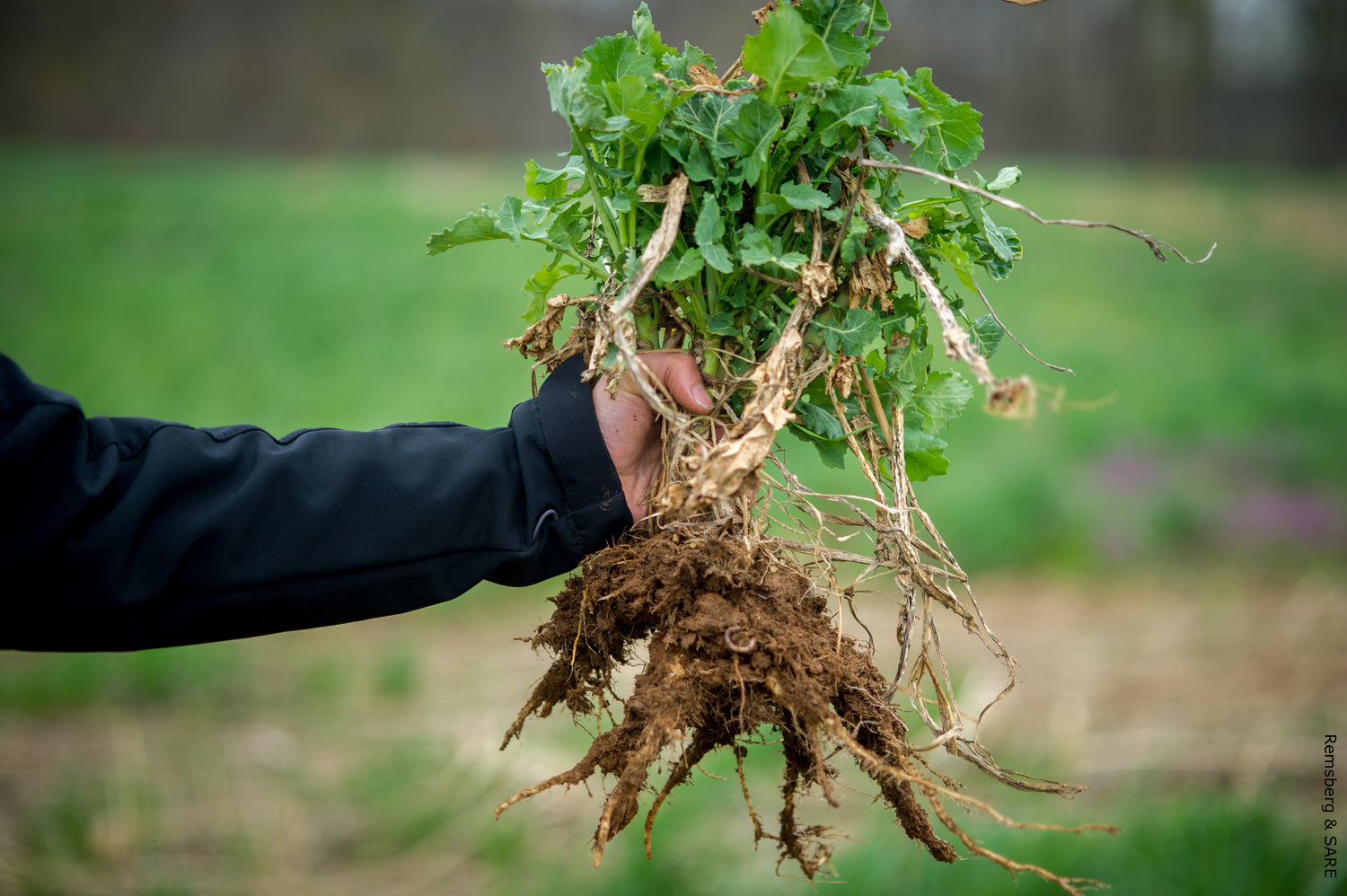
Perennial crops, agroforestry elements, and deep-rooted cover species maintain living roots longer than many annual systems; roots help stabilize aggregates, promote biological activity, and move carbon belowground. Integrating perennials reduces the need for frequent soil disturbance.

4. Make and apply compost safely

Compost supplies stable organic matter and beneficial microbes. Follow UC ANR compost guidance for feedstock balance (carbon to nitrogen), temperature management for pathogen reduction, and appropriate application rates (commonly 0.5–3 inches on beds or 2–4 inches incorporated depending on site goals).

5. Plant cover crops between cash crops

Cover crops—mixtures of grasses, legumes, and forbs—protect soil from erosion, capture and recycle nutrients, suppress some weeds, and contribute biomass that increases soil organic matter over time. ATTRA and regional extension services provide species selection and termination recommendations matched to climate and cropping systems.

6. Rotate crops to disrupt pests and balance nutrients

Rotating crop families reduces pest and disease pressure and balances nutrient demands. Including legumes in rotations helps fix nitrogen biologically; deep-rooted crops help break compaction and bring up nutrients from deeper horizons.

7. Minimize tillage where practical

Reducing mechanical disturbance preserves soil structure and protects soil organisms. Scientific reviews show outcomes vary by climate, soil type, and crop; reduced-tillage works best when combined with residue retention and cover cropping. Monitor yields and soil condition when changing tillage systems.

8. Mulch to conserve moisture and suppress weeds

Apply organic mulches such as straw, leaves, or wood chips to reduce evaporation, limit weed emergence, and slowly add organic matter as they decompose. Mulches also protect the soil surface from raindrop impact and temperature extremes.

Practical, garden-scale steps

  1. Start small: trial one bed or plot with a change (compost + cover crop or a no-till bed) and observe results over a season.
  2. Test your soil: use university extension labs for nutrient and pH testing; follow EPA/NRCS guidance for sampling if contamination is a concern.
  3. Match species and timing to your region: consult NRCS local offices or university extension for local species lists and planting dates.

Cautions and site considerations

If you suspect industrial or urban contamination, follow EPA soil-sampling guidance before using amendments for food production. Adapt practices to local climate and soil texture; what works in one region may require modification in another.

Conclusion

Regenerating garden soil is incremental: prioritize continuous ground cover, add stable organic matter, and limit disturbance. Combining the eight strategies above, and tailoring them to local conditions, builds soil function and garden resilience over time.

Sources

See all articles

Our tests

Have a question? Get in touch.

Understanding Soil Health

Assessing soil health involves looking at physical, chemical, and biological components.

Soil health is a fundamental concept that underpins the success of agriculture, gardening, and land management practices. It refers to the overall well-being and vitality of the soil ecosystem, encompassing physical, chemical, and biological aspects. Understanding soil health is crucial for maintaining sustainable and productive landscapes while also contributing to environmental conservation.

  1. Physical
    The physical properties of soil play a critical role in its health. These properties include soil texture, structure, compaction, and water-holding capacity. Soil texture refers to the proportions of sand, silt, and clay particles in the soil. A balanced texture allows for adequate water drainage and retention, preventing waterlogging and drought stress. Soil structure influences root penetration, aeration, and nutrient movement. Healthy soil structure promotes a friable and well-drained medium for plant growth.
  2. Chemical
    Soil chemistry directly affects nutrient availability and plant growth. Key chemical factors include soil pH, nutrient content, and the presence of contaminants. Soil pH measures the soil's acidity or alkalinity and profoundly influences nutrient uptake by plants. Nutrient content, including macronutrients like nitrogen, phosphorus, and potassium, must be in balance to support healthy plant growth. Monitoring and maintaining proper nutrient levels through fertilization are essential for maximizing crop yields and preventing nutrient deficiencies.
  3. Biological
    The biological component of soil health pertains to the diverse array of microorganisms, insects, and other organisms that inhabit the soil ecosystem. These organisms play crucial roles in nutrient cycling, organic matter decomposition, and disease suppression. Soil microorganisms break down organic matter, releasing nutrients that are subsequently made available to plants. A rich and diverse soil microbiome contributes to enhanced nutrient availability and plant resilience against diseases.

Our Soil Tests

We provide a range of soil tests from basic chemistry, to texture/infiltration rate, all the way to biology.

Order a Soil Test Kit

Basic Soil Health Test

The Basic Soil Health Test is an excellent starting point for understanding your soil's condition. It offers a comprehensive analysis encompassing pH levels, nutrient content, CEC (Cation Exchange Capacity), salts, and organic matter. This budget-friendly test is ideal for identifying potential soil health issues and establishing a solid foundation for further management.

Full Chemistry Test

Our Full Chemistry Test provides a detailed assessment of your soil's quality, guiding you towards healthy and sustainable soil management practices. Through an extensive analysis, we examine macro and micronutrient levels, pH, CEC, organic matter, and salinity. This comprehensive understanding empowers us to create tailored recommendations for soil amendments and treatments, optimized for the specific plants you intend to cultivate. By optimizing your soil's chemistry, you can expect to foster more robust and vibrant plant growth.

Complete Soil Health Test

Uncover a deeper understanding of your soil's health with the Complete Soil Health Test. This comprehensive analysis goes beyond the basics, measuring nutritional factors and examining soil texture. It covers macro and micronutrients, organic matter, pH, CEC, as well as sand, silt, and clay percentages. Additionally, we assess carbon sequestration levels, providing you with a holistic view of your soil's composition. The personalized recommendations derived from this test empower you to make precise adjustments to enhance your soil's health and productivity.

MWELO Soil Management Report

For those navigating California's MWELO guidelines, our MWELO Soil Management Report is an indispensable resource. This report not only ensures compliance but also promotes sustainable and thriving landscapes. It includes comprehensive data such as soil texture, infiltration rate, pH, total soluble salts, sodium content, and organic matter percentage. With amendment recommendations, optionally tailored to specific plant types, and annual maintenance tips, you'll be equipped to create landscapes that are both aesthetically pleasing and environmentally responsible.

Heavy Metals

The Heavy Metals analysis is a vital tool in assessing potential soil contamination. Given the uncertain history of properties, this analysis identifies the presence of heavy metals that might have accumulated due to past activities or nearby industrial sources. With results available in approximately nine business days, you'll gain insights to ensure the safety and health of your soil.

Soil Food Web

Explore the intricate world beneath the surface with our Soil Food Web analysis. By estimating population sizes of essential trophic groups—bacteria, fungi, protozoa, and nematodes—we unveil the microbiological health of your soil. Additionally, we identify specific organisms within these groups, providing insights into the soil's successional level and overall condition. This analysis is applicable to soil, compost, and compost tea samples, offering a holistic perspective on your soil's biological vitality.

Pesticide Screening

The Pesticide Screening can detect hundreds on common pesticides that may have been applied or drifted from nearby sources.

Herbicide Screening

The Herbicide Screening plays an important role in ensuring the safety of your soil and plants. By detecting the presence of herbicide residues, this test can indicated whether a soil has had history of herbicide applications.

See our other tests.

Regenerative Soil Management Practices

Working with nature to improve soil means implementing practices like cover cropping, mulching, and composting.

Cover Cropping

Cover cropping involves planting specific crops during non-growing seasons to cover and protect the soil. These crops enhance soil structure, prevent erosion, suppress weeds, and provide organic matter when incorporated into the soil. Leguminous cover crops also contribute nitrogen fixation, enriching soil fertility naturally. Cover cropping is a sustainable method that improves soil health and biodiversity.

Mulching

Mulching entails covering the soil surface with organic materials like straw, leaves, or wood chips. Mulch conserves soil moisture, moderates temperature fluctuations, suppresses weeds, and prevents soil erosion. As the mulch breaks down, it contributes organic matter, enriching the soil's structure and fertility. Mulching is an effective and easy way to maintain soil health.

Composting

Composting transforms organic waste into nutrient-rich compost. Incorporating compost into the soil enhances its structure, moisture retention, and fertility. Compost also introduces beneficial microorganisms that aid in nutrient cycling and disease suppression. Composting not only reduces waste but also revitalizes soil, making it an essential component of sustainable gardening.

Water Conservation Techniques

Implementing water-efficient practices such as drip irrigation, rainwater harvesting, and utilizing drought-resistant plants minimizes water use and reduces soil erosion. Conserving water in landscapes maintains soil moisture, supports plant growth, and sustains overall soil health. Water conservation techniques are vital for responsible gardening in arid and water-scarce regions.

If you have any questions feel free to get in touch with the Alluvial Soil Lab team at (831) 216-1367 or at info@alluvialsoillab.com

This page was written with the help of AI. The content provided on this website, including blog posts, articles, and instructional materials, is for informational and educational purposes only. Alluvial Soil Lab makes no warranties or guarantees regarding the accuracy, completeness, or applicability of any information presented. Recommendations and procedures described herein may not be appropriate for all situations or soil conditions. Readers are solely responsible for any actions they take based on this content.

References to third-party laboratories, addresses, services, or products are provided for convenience and do not constitute endorsement or affiliation. We strongly encourage users to independently verify all contact information, lab addresses, and service availability before relying on them.

Alluvial Soil Lab is not liable for any outcomes, damages, or losses resulting from the use of this content or any third-party services mentioned. Always consult with a qualified professional or certified lab before making decisions that may affect soil health, property, environmental compliance, or agricultural productivity.

  • Texas Soil Facts and Statistics

    Texas Soil Facts and Statistics

    Texas Agricultural Soils: Comprehensive Research and Economic Impact Analysis 2025 Texas encompasses the nation's largest agricultural landscape with 132 million acres of farmland supporting a $24.9 billion economy, featuring diverse...

    Texas Soil Facts and Statistics

    Texas Agricultural Soils: Comprehensive Research and Economic Impact Analysis 2025 Texas encompasses the nation's largest agricultural landscape with 132 million acres of farmland supporting a $24.9 billion economy, featuring diverse...

  • The Best Soil Test Kits For Gardeners

    The Best Soil Test Kits For Gardeners

    Soil testing has become essential for successful gardening and agriculture across diverse growing regions from California's Mediterranean climate to Colorado's high-altitude conditions. Advanced laboratory analysis now competes alongside traditional at-home...

    The Best Soil Test Kits For Gardeners

    Soil testing has become essential for successful gardening and agriculture across diverse growing regions from California's Mediterranean climate to Colorado's high-altitude conditions. Advanced laboratory analysis now competes alongside traditional at-home...

  • Free (Grant-based) Soil Testing Through NRCS and EQIP

    Free (Grant-based) Soil Testing Through NRCS an...

    EQIP and NRCS Soil Health Programs: Complete 2025 Implementation Guide The Environmental Quality Incentives Program and Natural Resources Conservation Service represent the cornerstone of federal soil conservation efforts, providing farmers...

    Free (Grant-based) Soil Testing Through NRCS an...

    EQIP and NRCS Soil Health Programs: Complete 2025 Implementation Guide The Environmental Quality Incentives Program and Natural Resources Conservation Service represent the cornerstone of federal soil conservation efforts, providing farmers...

1 of 3